Hacker News new | ask | show | jobs
by russnewcomer 1143 days ago
I lived in the relatively safe stable part of a war zone as a foreign civilian for a few years, and had friends who were frequently in the less safe/less stable parts.

So much of our modern world is designed for modern infrastructure, and when that infra falls down, you either have to do without or accept a level of danger that is probably higher than the modern world takes, but lower than what our ancestors 100 years ago took.

2 comments

I wish, if possible, we’d design infrastructure to be much more resilient to failure to make it slightly less economical. Resilient =/ economical and nobody’s economy is strong enough to sacrifice almost any of it, but maybe somewhere there’s a compromise…
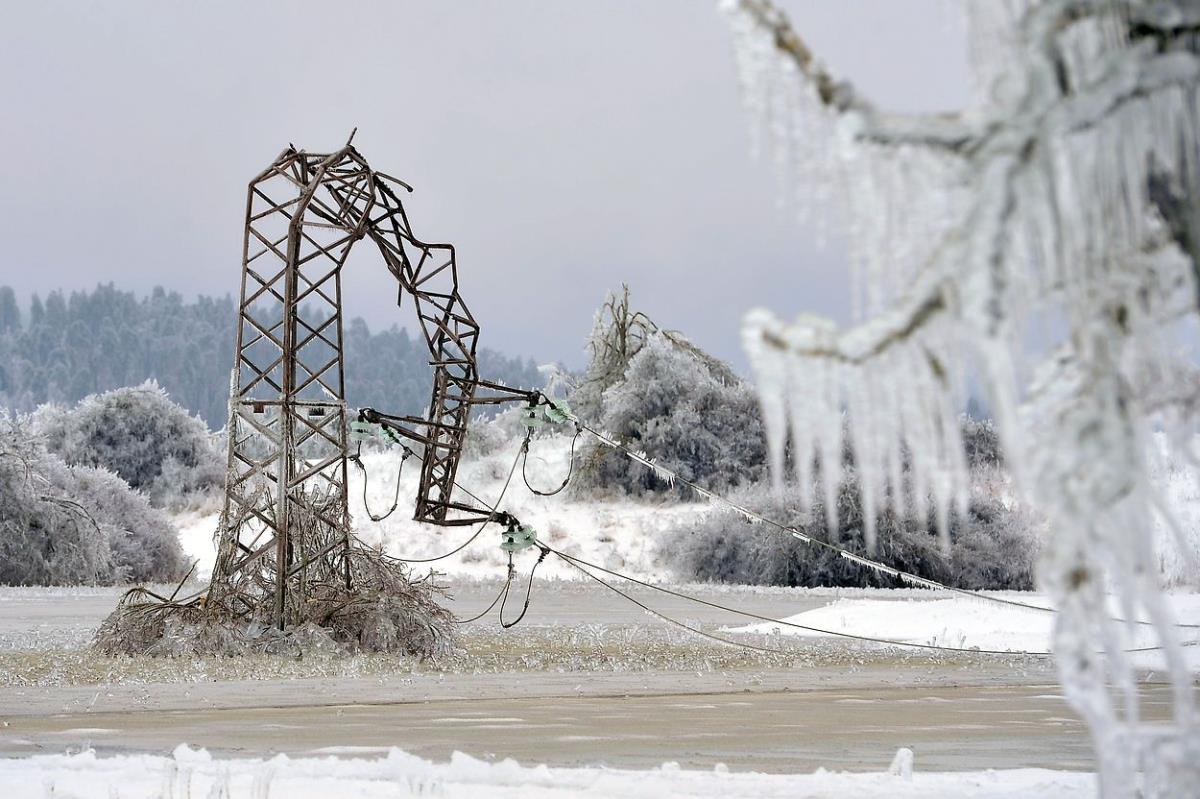
You don't even have to be in a warzone... look at texas blacouts not that long ago. In my country, we had icy rain [0] destroy pretty much all above-ground wiring, and ham radio operators had to bring in their equipment to help rescuers. Somehow with the 'green agenda' we've started banning all the alternative ways of cooking and heating (wood, gas, oil,..), and in the future, it will get only worse.

[0] https://www.youtube.com/watch?v=A2Gr_RKN4Os

The 'green agenda' is a red herring. The problem lies with companies not maintaining their infrastructure because it costs money, then blaming whatever is convenient when it breaks.
Sometimes it breaks because it breaks... you cannot predict icy rain (video above), terrorist attacks, war, etc.

Having an option to use other energy sources is great, because if you're out of power, you still have gas and vice-versa... if you're artificially limited to just one source, and you're suddenly out of that, you're basically screwed.

You certainly can predict icy rain -- this is why grids get winterized. You may not be able to predict exactly when, but you can predict that it will happen.
So how does that help you when your power cables get torn down? The infrastructure there was standing from atleast yugoslav times, and for 50 years, there were no issues, untile one icy-rainfal, all the cables got torn down. I mean.. you can also somewhat predict earthquakes, but you still don't build infrastructure that will withstand the "strongest ones", especially not in areas where earthquakes are rare.

In case of slovenia in 2014, something happened, that has 'never' happened before (atleast not in living memory), and this: https://www.postojna.si/Datoteke/Slike/Novice/123958/l_12395... was the affect on power infrastructure. People who could heat their houses with eg. wood or gas, stayed warm, the ones who only had electricity-powered devices (for heat, cooking,..) were screwed, and had to get help from others. If you forbid alternatives, you're cold, and all your neighbors are cold too, and rebuilding after such destruction is not a few-days thing.

Well, the problem with modern society is that we can't allow anyone to use anything just because there might be a need to. We don't allow people to burn their trash even though trash haulers can go on strike, and we don't allow people to hunt for their food even though the roads can close and grocery stores close. One event that led to a major problem means that we should fix the infrastructure that broke and weather it so that it doesn't break as easily.

I don't know about the specific green fuel bans you are talking about, but I do know that this issue is often used by politicians and companies to throw the blame on something else when it is their fault.