| You're making a distinction that isn't reflected in copyright law. If I take a JPEG of Mickey Mouse and then turn it into a PNG, it's not a "copy", as the bits are different. But it still contains copyrighted material. You can try to argue that the bits of PNG itself aren't an image of Mickey Mouse, but rather the algorithm that reads the PNG produces an image of Mickey Mouse. But that isn't really a relevant distinction in so far as copyright is concerned. In addition, this statement is false: > The important distinction is that the model does not contain a copy of a copyrighted material. It has been shown repeatedly that the model produces copies of training data. The copies are of course not stored as JPEGs/PNGs in the model, but they are retrievable from the model, given the correct password (prompt). |
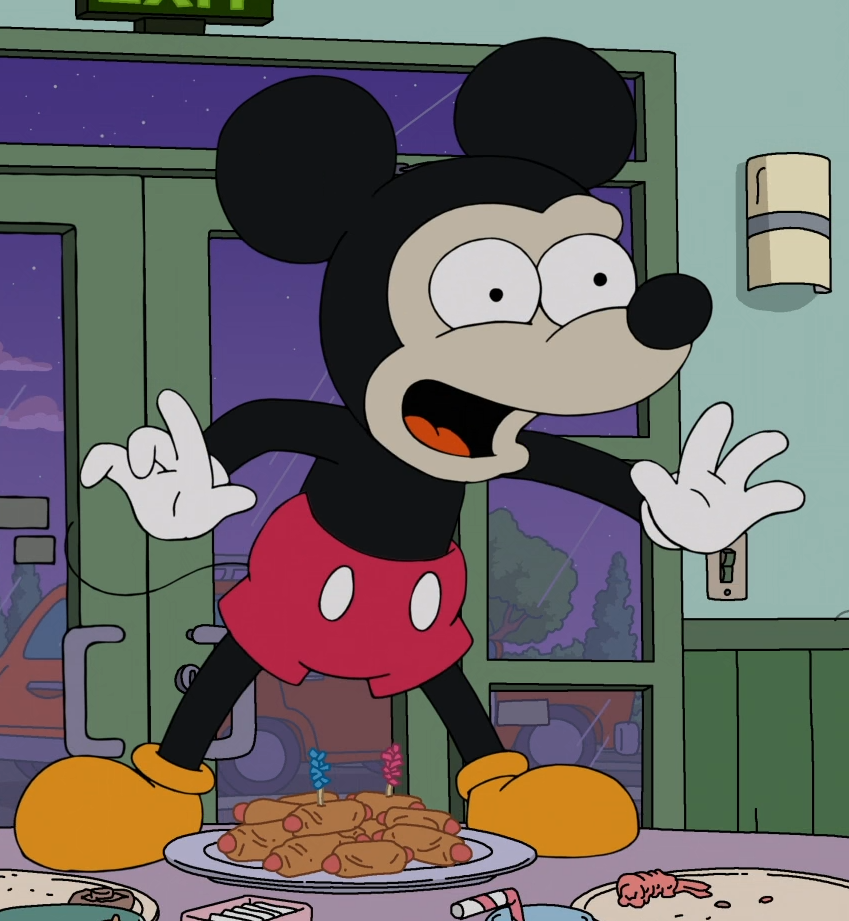
These models do not contain copies. One way to describe the data is they contain a statistical breakdown of the artwork, which is substantially different from a JPEG -> PNG conversion you mention.