| I think it is quite possible that humans attempting to “fix” nature is what will ultimately lead to the extinction of the human race. It is pretty fitting too since we are the ones who helped accelerate the mess we are in. The article points out some of the problems here: > There are significant and well-known risks to some of these techniques — sulfur dioxide aerosol injection, in particular. > First, spraying sulfur into the atmosphere will “mess with the ozone chemistry in a way that might delay the recovery of the ozone layer,” Parson told CNBC. > The Montreal Protocol adopted in 1987 regulates and phases out the use of ozone depleting substances, such as hydrochlorofluorocarbons (HCFCs) which were commonly used in refrigeration and air conditioners, but that healing process is still going on. > Also, sulfates injected into the atmosphere eventually come down as acid rain, which affects soil, water reservoirs, and local ecosystems. > Third, the sulfur in the atmosphere forms very fine particulates that can cause respiratory illness. Who gets to make the call that these risks are okay and are not as bad as the negative impact(s) we may face from climate change? Who decides that it is an acceptable trade-off to wipe out entire species and ecosystems and potentially some percent of the human population? The problem is when it comes to climate change impact, it is all hypothetical based on models we have limited understanding of whereas with this stuff there are concrete risks and side-effects now. |
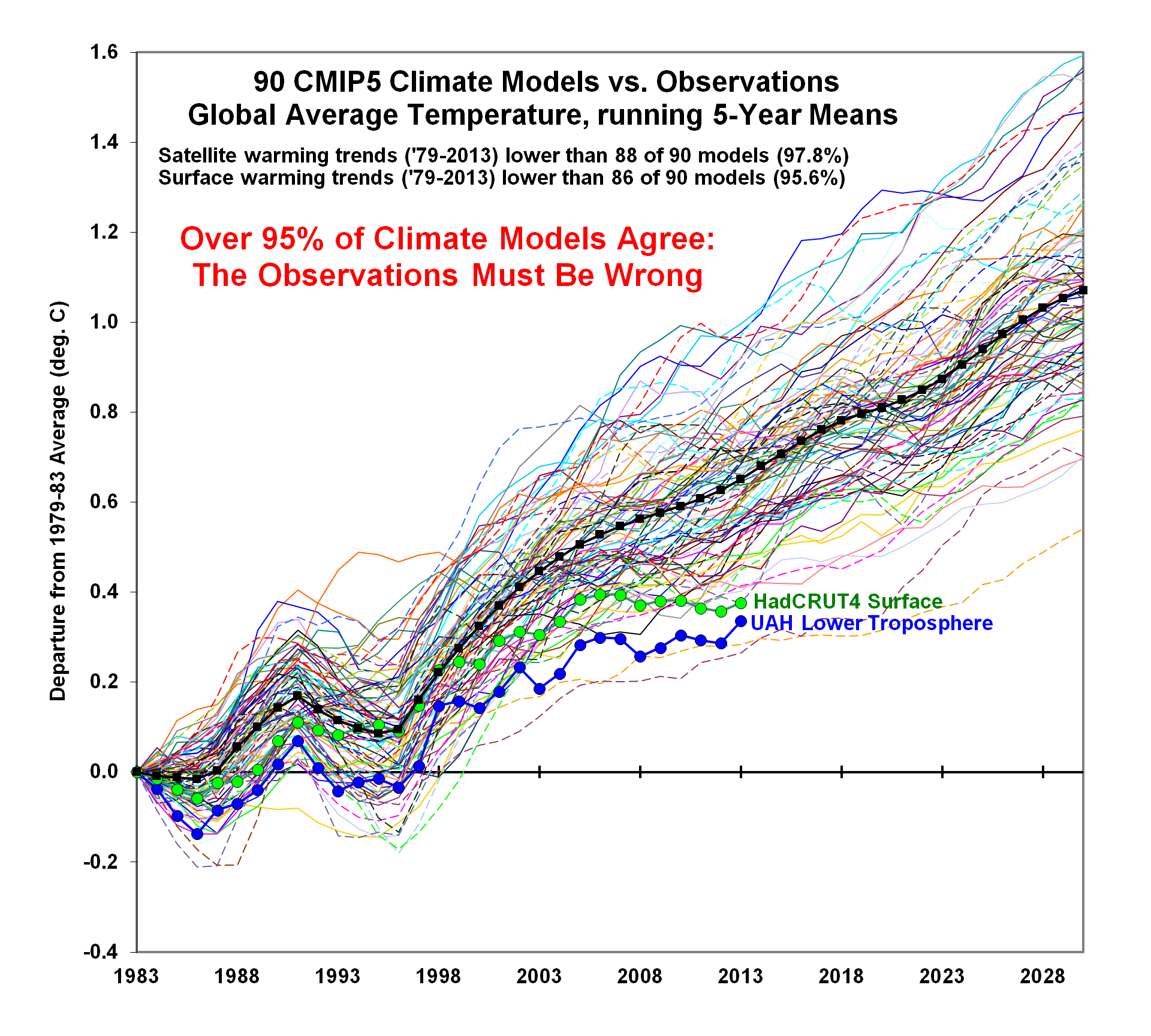
> Source: https://news.harvard.edu/gazette/story/2019/09/harvard-group...
> "The chemists think the solution could be calcium carbonate — the stuff of chalk, limestone, marble, and seashells. It may be less harmful to the ozone, and it’s not a big health concern. The team is studying how the substance affects chlorine and nitrogen oxides, which also exist in the stratosphere — largely due to man-made emissions — and speed ozone destruction. The researchers think the calcium carbonate might help to lower levels of these gases."