|
|
|
|
|
|
by spchampion2
1509 days ago
|
|
|
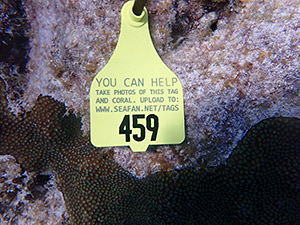
I've had the good fortune to dive on Pickles Reef, as well as many other reefs on the Keys, so I've been able to see these coral restoration efforts first hand. I would always feel so happy whenever I came across these new groves of staghorn coral. They were small, but often healthy looking, and I just loved seeing them. That said, the scale of coral death far surpasses the scale for growth. For example, a government group [1] has placed tags on natural coral groves (i.e. mostly not planted) inviting divers to take and share photos to help track the coral health over time [2]. Many of these tags were next to healthy looking sections of reef, but many others were next to dead lumps. I recall several sections around Looe Key in particular that were just graveyards of yellow tags. These types of restoration efforts are working, and in some places they're working well. But it's a drop in the bucket and the coral is dying not thriving. More is needed. 1 - https://floridadep.gov/rcp/coral/content/seafan-southeast-fl...? 2 - https://floridadep.gov/system/files/media-folders/media-root... |
|
|