Hacker News new | ask | show | jobs
by ajuc 1621 days ago
UK has population density of 280 people per km2, most of Europe has over 100, USA has 36. It's ok if you put everybody in densely populated areas, but when you spread them around you either pay 10 times the taxes or get 10 times worse infrastructure. There's no cheating math.
5 comments

Averaging over a country the size of the US is not particularly useful for variables like population density that most likely follow an exponential distribution.
In the context of this article, the difference is not as much as you’d think. Basically every road in the UK is paved. That isn’t true of the sparsely populated parts of the US.

The US has 4.3m km of paved road for a population of 331m. That's $287bn per year upkeep (at the $20/ft rate), so each resident needs to pay $864/year for road upkeep.

The UK has 0.4m km of paved road for a population of 67m. That's $28bn per year, so each resident needs to pay $421/year for road upkeep.

In other words, Americans should only need to pay 2x the tax, not 10x the tax.

This analysis is worthless. A good place to start would be with comparison of road design standards which would show that American roads are built much wider and with more additional features, which is stuff like curbs and not necessarily sidewalks or bike paths. If Americans started building roads to British standards then there would be an uproar.
Most Americans live in areas far more dense, though. Even the least dense US states have far higher density in the areas housing the vast majority of their populations.
I suspect it's not as bad as that as it's not like people are spread evenly across the USA, they're concentrated in the coastal States and then further concentrated in urban areas. I agree the USA's low housing density makes some infrastructure more expensive to maintain though. One of the other differences is that in the UK taxation raised by central government pays for services that in the USA are paid for out of local taxation. Education is the most obvious one - schools are paid for largely out of the main pool in the UK rather than being paid for via council tax. There are also various redistribution mechanisms intended to move money from richer to poorer areas, urban to rural and England to the other nations to compensate for geographic inequalities.
Unless you are paving the Nevada Desert, that comparison is basically useless - it includes areas where nobody lives so they need no maintenance.
There are such areas in every country. USA might have more of them but not so much more that it cancels out the low population density entirely. You still have to have a road going through these areas.
A substantial fraction of the US's land area is locked up in Alaska, where there isn't "a road going through [the low-density] areas." What little long-distance infrastructure exists there is almost entirely driven by the existence of extractive industries (notably, but not exclusively, oil) that are lucrative enough to put in that infrastructure.

Rural Europe tends to be as lightly populated as, say, rural eastern US, not rural High Plains, let alone rural Alaska.

That road comes out of state or federal taxes though. It's still a coat but not relevant to the math about city budgets. And yes, there is so much more space in the US even without leaving populated areas.

The lower density in urban areas is still real though.

There aren't - look at slovakia, Czechia, Germany, France. In fact, where EU is one such area?

The other post here has done a total length of road network, which is actually a good metric.

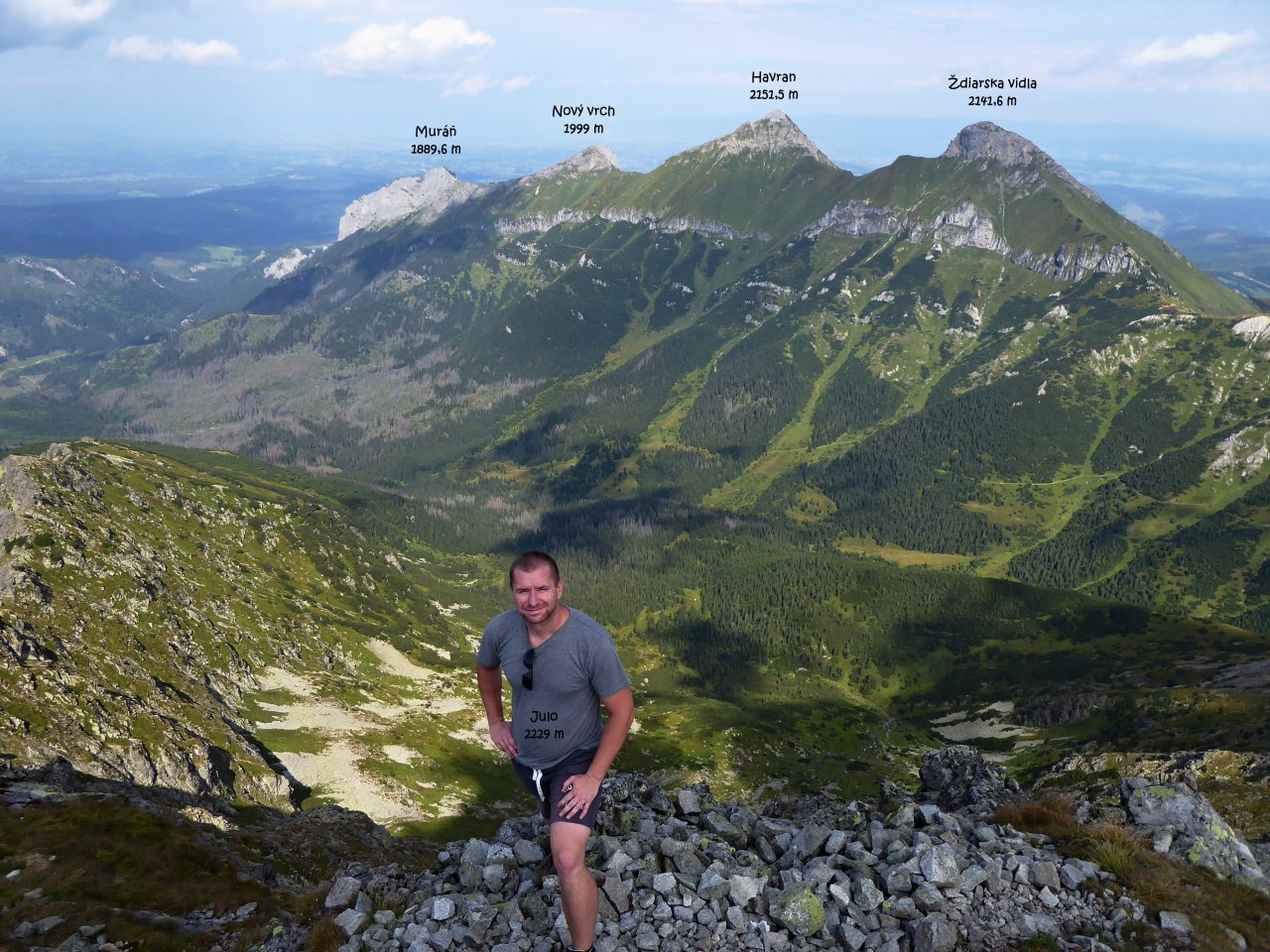
Mountains are one example. There are still people living there, but not nearly as much as in the densely populated parts. That's how it looks in Slovakia: https://govisity.com/wp-content/uploads/2018/04/Jahnaci_stit...

North of UK is almost empty. North-Eastern Germany has population density similar to USA which is pretty low compared to the rest of the country. France and Spain especially are sparsely populated outside of the big metro areas.