| I think this misses the mark on the fact that we now have an aging population in the USA, and an aging population has different needs when it comes to raising families that the urban lifestyle simply hasn't evolved fast enough to support. Urban areas in the USA like NYC are still the playground of the young and unattached. I think European and Asian cities have done a much better job at this. With two kids aged 10 and 12, I need access to a sports park for practices and games. I need space to park a car and roads wide enough to support them because I have a lot of things to haul. I need good public schools that don't break the bank to provide my kids the support and community they need. Everything smooth and convenient about living as a single person in an urban area quickly turns into living life on Hard Mode for families. As our working adult population ages, cities need to evolve to meet these needs, or expect people to move out as they outgrow the lifestyle. I'm sure there are folks who live in places like SF with families and ride around in heavy urban traffic with 2 kids on an electric cargo bike, but that's just not for many of us. We're happier and way more stress free in the suburbs or even in the rural areas working remotely. |
"Who else benefits from the Dutch cycling infrastructure" https://www.youtube.com/watch?v=xSGx3HSjKDo
"Why Great Cities Let You (Easily!) Cycle to IKEA" https://www.youtube.com/watch?v=CgvYgxo6UY8
"8 to 80, people of all ages cycling in the Netherlands" https://www.youtube.com/watch?v=swqaAIkGtpA
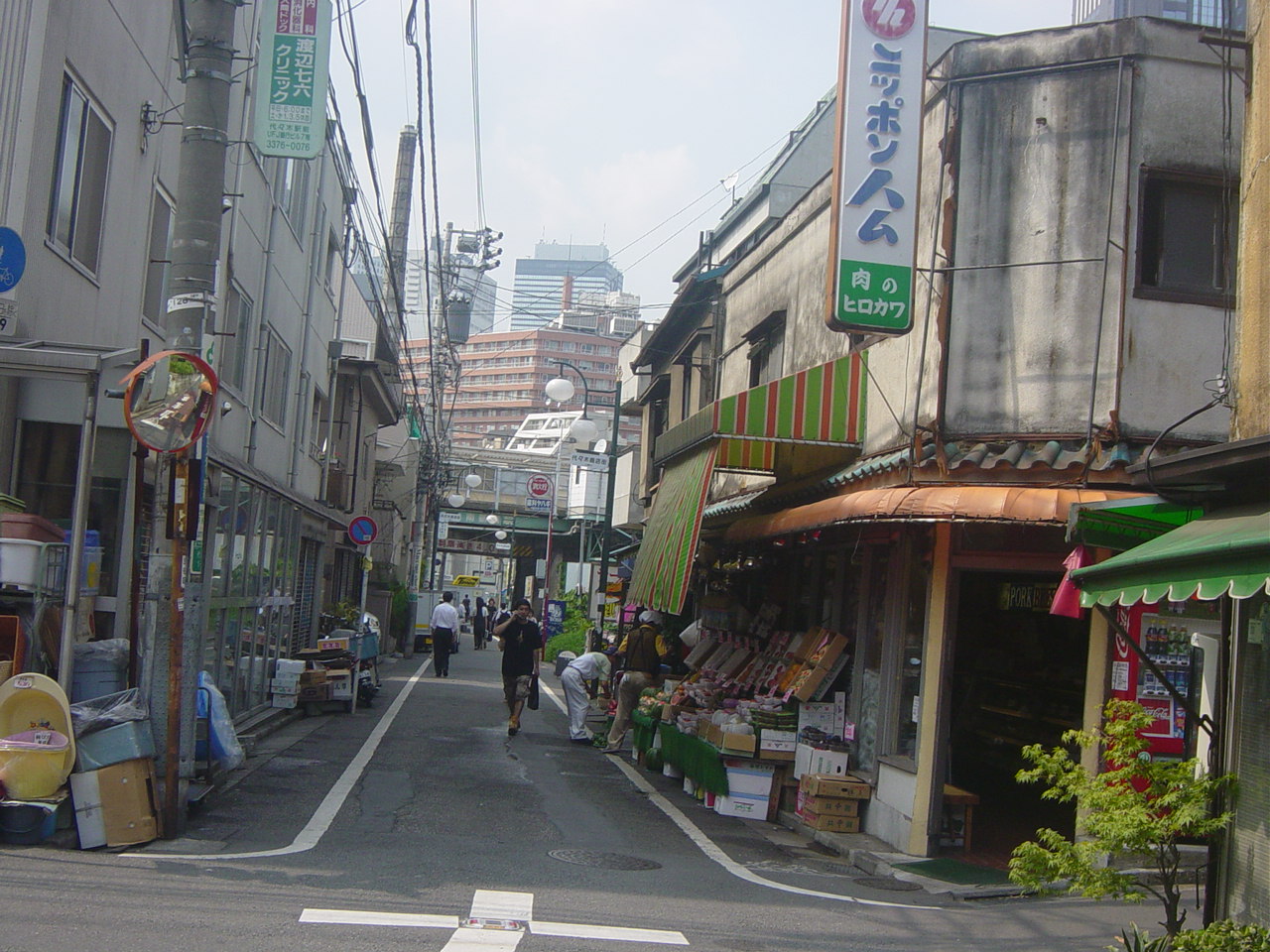
As you can see, you don't need "wide roads". Quite the opposite, in fact. When safe cycling infrastructure is present, traffic shifts to cycling, because it's faster, cheaper and more pleasant. This makes roads less congested for your car trips. Widening roads does not have this effect, as additional lanes simply fill up with more traffic if there is no faster, safe alternative. Also, wide lanes encourage high speeds, and you don't want that around your kids.