|
|
|
|
|
|
by JustAPerson
1748 days ago
|
|
|
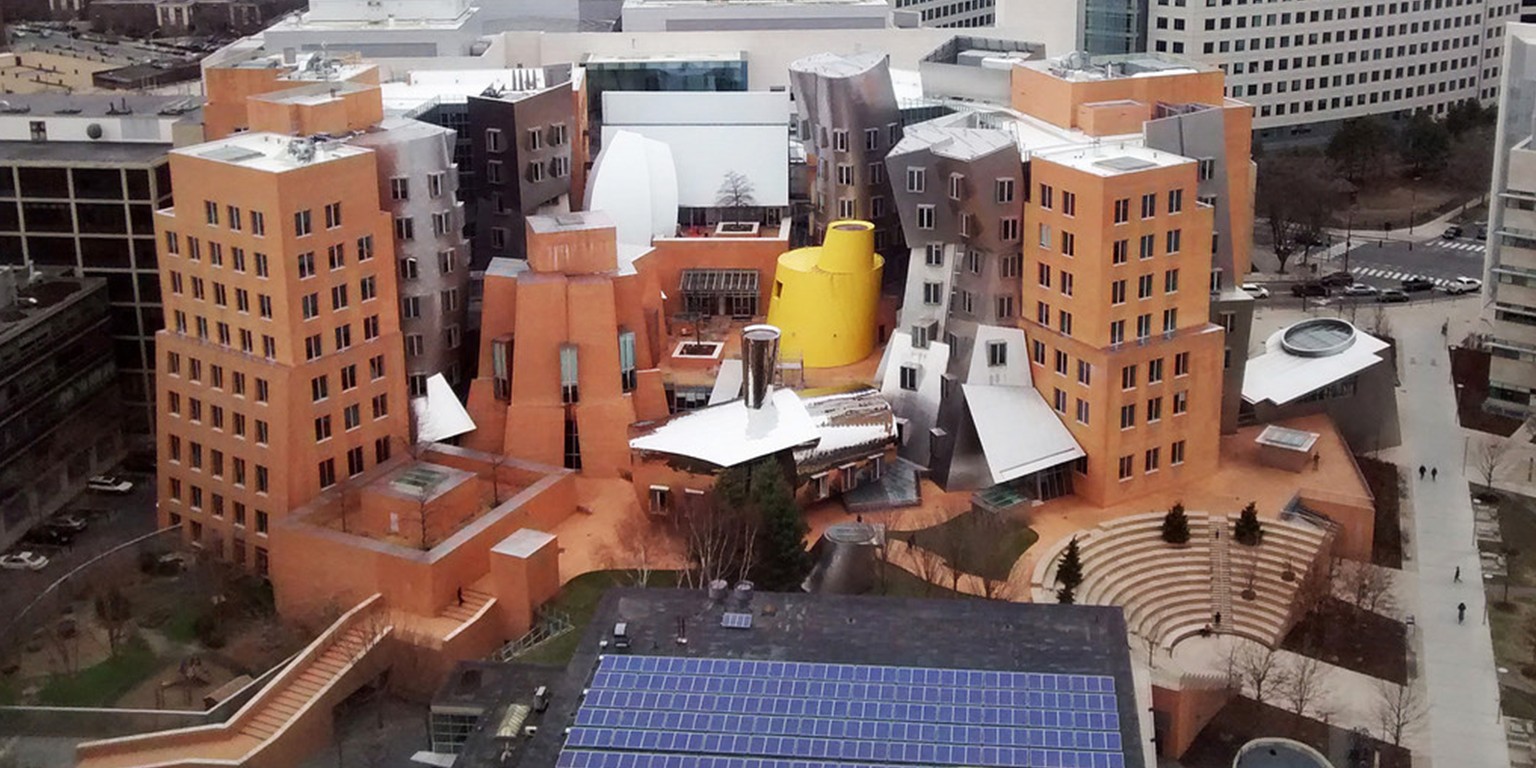
This article doesn't provide much context on the challenges of the building's architecture. If the exterior[1][2] did not give any indication, the inside is quite difficult to navigate. Unless you're a grad student who lives and breathes this building (where most of the EECS department is located), you'd better allocate 10 minutes to finding the professor's office you intend to visit. I can't find great pics of the interior (only some floor plans[3][4]), but there's a variety of confusing stair cases, open atrium's spanning multiple floors, irregular floor plans and office layouts, and an abundance of cluttered spaces. No good flat surface goes unused. I'd never considered that it would be impossible to provide comprehensive 2.4GHz coverage because of graph coloring problems. The point about certain 5GHz channels being effectively unreliable due to radar was also an interesting insight I'd never heard before. [1]: https://files.catbox.moe/6z4ad2.jpeg [2]: https://upload.wikimedia.org/wikipedia/commons/1/17/Stata_Ce... [3]: https://csdl-images.computer.org/trans/tm/2018/05/figures/li... [4]: https://i.pinimg.com/originals/80/f9/af/80f9af1c6cdc0c170cf6... |
|
|


If your router(s) do support those channels, they can be quite nice to have in a residential setting, as people I’ve observed tend to not have equipment operating in those channels. High traffic airports can be a problem, as you and the article mention, since DFS may get triggered with great frequency.
Nearby military bases in general (not just airfields) may also result in burdensome DFS triggering, although YMMV.