|
|
|
|
|
|
by micro_cam
1785 days ago
|
|
|
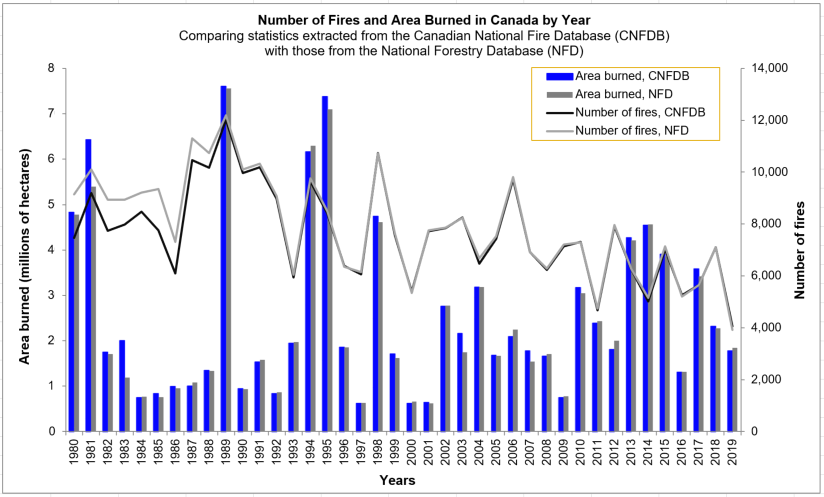
These current fires are much more destructive because of a combination of the extreme conditions, a dense under story from fire suppression and lots of standing dead wood from beetle kill etc. So ideally for a forest you would have small fires come through regularly and clean up the under brush but leave a fair number of large mature trees standing leading to open fire resistant mature forest. With these large super destructive fires that wipe out everything you get slower reseeding which can let invasives weeds take hold. And you get dense stands of young trees and brush which are less fire resistant than mature forests. Partial solutions include controlled burns in the wet season and thinning where you shoot to leave the large mature trees but reduce fuels. (This isn't always commercially viable though developing wood products that can be made from small trees or even brush harvested during thinning is an interesting area.) |
|
|
If you're real unlucky an above average wet season after a super destructive fire will cause untold amounts of topsoil erosion and damage, impacting the follow on reseeding even more.