|
|
|
|
|
|
by fortran77
1947 days ago
|
|
|
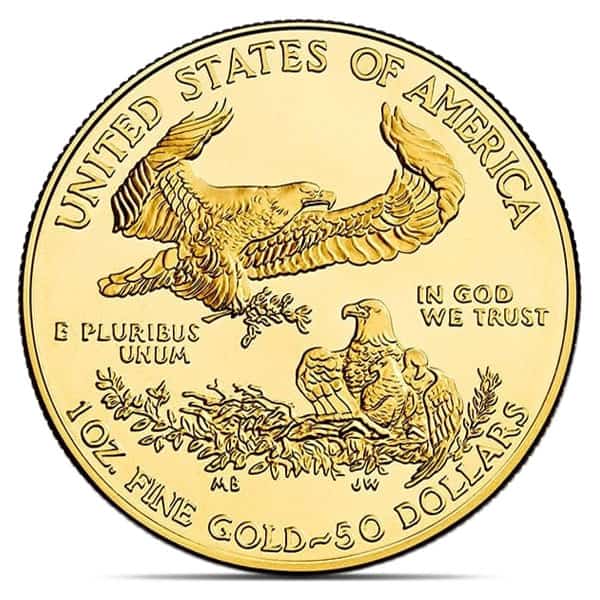
In every place with an income tax, there are rules for taxing income. If you made money, don't expect to think you're so clever that the IRS or equivalent will say "Well, you got us! Enjoy your income without paying taxes." I'll give you an example that pre-dates bitcoin: There are U.S. Gold coins that have denominations, for example $50 https://www.moneymetals.com/images/products/1oz-gold-eagle-r... People have tried to pay others with these coins arguing that the face value is $50, so the income tax should be $50, and not the $1500 or whatever an ounce of gold was worth at the time. Guess what? They didn't get away with it. See: https://www.justice.gov/sites/default/files/tax/legacy/2014/... |
|
|
It’s the mechanisms around capital gains tax (which is a particular kind of tax) compared to the requirements around profit made from appreciation of, say, fiat currencies. In fact, it’s completely different from income tax that you’re talking about.
It’s not so much about having to pay taxes but on what amounts and overhead in how reporting is made.
The hampering of growth (in terms of e.g. retail payments) and adoption is not due to the monetary cost of taxation, but on the mechanisms of them. Hell, you could keep or even increase the tax rate, but make it liable even just by holding cryptocurrency and having it appreciate (as opposed to “at liquidation”) and it would have the complete opposite effect.
Now if only more governments would accept taxes paid in bitcoin (: