|
|
|
|
|
|
by bergstromm466
1985 days ago
|
|
|
> Railroads did well into the '30s, and really declined by the '50s and '60s. This kind of decline happened everywhere in the world, except maybe Japan. Genuine question: have you recently taken a train in Denmark, Sweden, the Netherlands, Germany or anywhere else in Europe? |
|
|
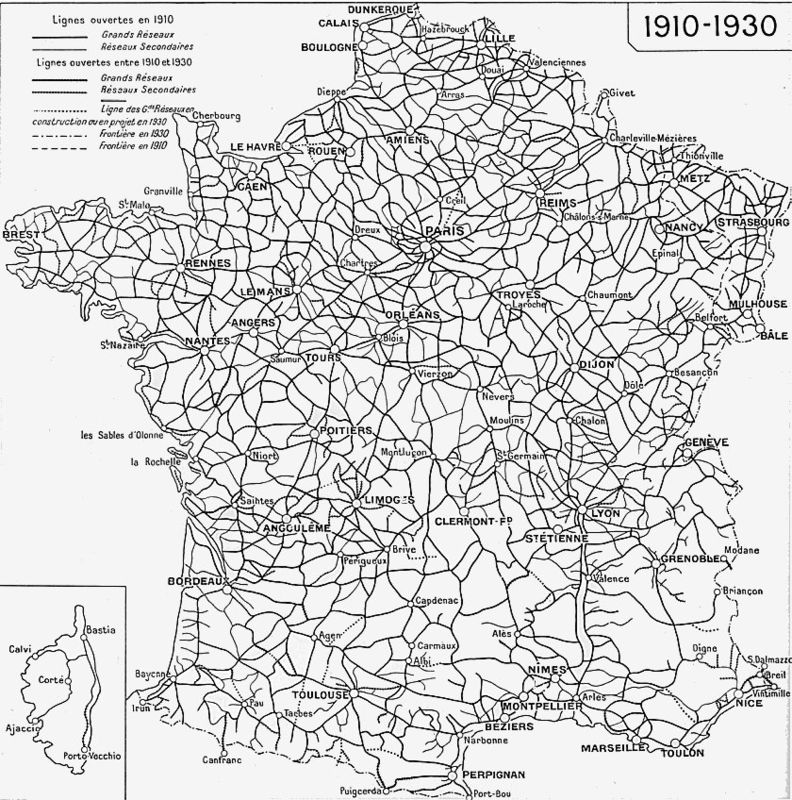

Generally speaking, the midcentury was a rough time for railroads. The big private railway companies in Europe were nationalized by then. For your examples, lifted from the wikipedia pages:
- Denmark: World War II left DSB with a fleet of outdated and worn-out trains, and apart from a series of second-generation MO railcars and the class MT multi-purpose centercab engines built by Frichs, domestic industry was unable to provide the kind of motive power required. Instead, DSB looked to foreign suppliers. The 1960s were marked by an increasingly poor economy for DSB, leading to a steady staff reduction throughout the decade.
- Sweden: Between 1937 and 1985 no new railway was built in Sweden, except for short industry tracks and similar. Instead many lines with little traffic were closed down. Their traffic was decreasing because the car and truck traffic increased.
- The Netherlands: While the 1950s were a good time for the company, it started to decline in the 1960s, like most other railways around the world. Not only did the NS suffer from the competition of the car and other modes of transport, but it also suffered from a loss of income when natural gas started to replace coal as the main fuel in power stations and homes after a gas field was found near Slochteren. The NS had been involved in the transport of coal from the mines in Limburg to the remainder of the country.
- Germany: Transport of goods also had to compete with the ever-increasing competition from trucks. Furthermore, traditional services such as coal and iron ore shipments declined with the changes in the overall economy.