It's also interesting that it's also part of the city's drinking water supply:
> The Energy Transfer Station includes large arrays of heat exchangers that allow the heat from the downtown chilled water loop to be rejected into the city’s drinking water supply before distribution to the public. The heat removed from the downtown chilled water loop is therefore never transferred to Lake Ontario and the slight temperature increase is insignificant for water utility consumers.
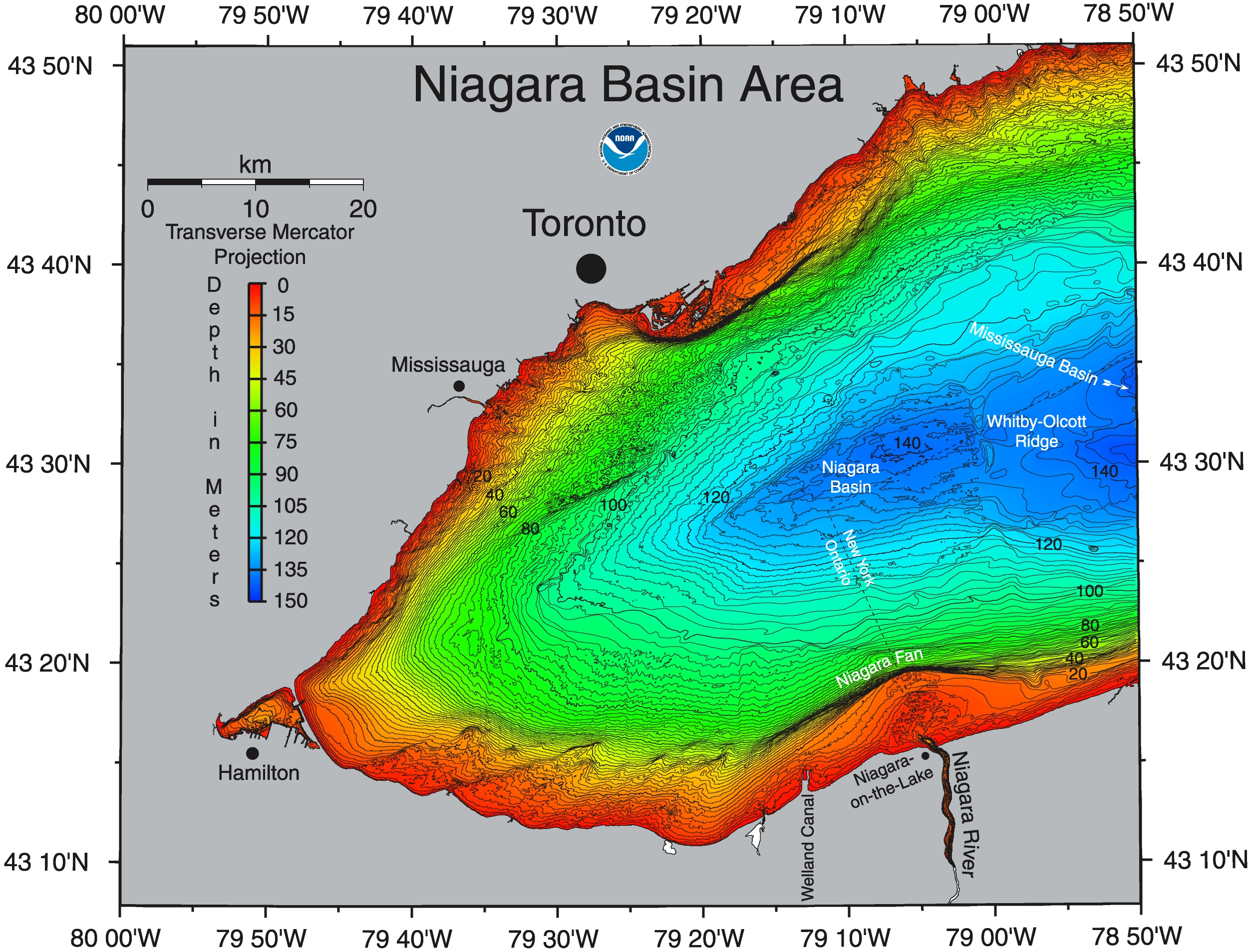
It's a fantastic use of a great resource. It works because Lake Ontario gets pretty deep pretty quickly near Toronto [1]. The drinking water they bring in is extremely cold year-round:
> Three intake pipes run up to 83 m (272') deep and out to 5 km (3 miles) from the shore. The physics of cold water are factored into the design. Water is most dense at 4 degrees Celsius (39.2 degrees Fahrenheit), ensuring that the cooling water removed from the lake bottom will have a consistent year-round temperature at the system’s intake points. The cooling water to be used by the Deep Lake Water Cooling system first goes through Toronto’s standard water treatment process to become regular drinking water.
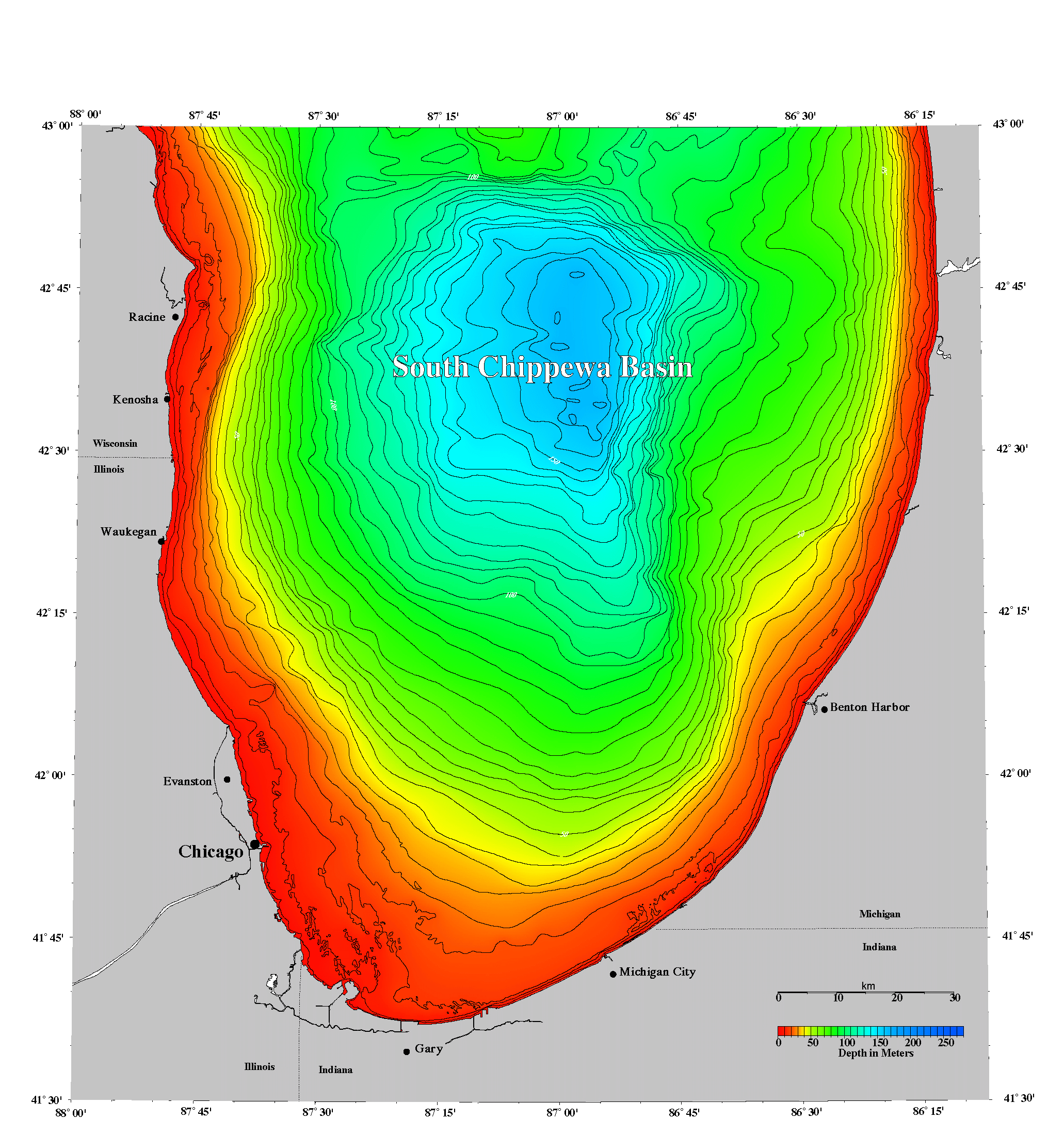
I'm not sure that there is any other large city in the world that has deep enough fresh water so close that this would work. Such a system would be welcome here in Chicago, but it isn't feasible. You'd need to go 30-40 km into the lake before it got deep enough [2].
It's also interesting that it's also part of the city's drinking water supply:
> The Energy Transfer Station includes large arrays of heat exchangers that allow the heat from the downtown chilled water loop to be rejected into the city’s drinking water supply before distribution to the public. The heat removed from the downtown chilled water loop is therefore never transferred to Lake Ontario and the slight temperature increase is insignificant for water utility consumers.