I'd rather not run a linux VM for this, so yes. It should be possible to isolate it to /opt/github-linter/* on my BSD machines, or put into a nix package.
(Also, I guess this is one more reason that docker is a big red flag for 'hastily hacked together unportable software that would be hell to ship.')
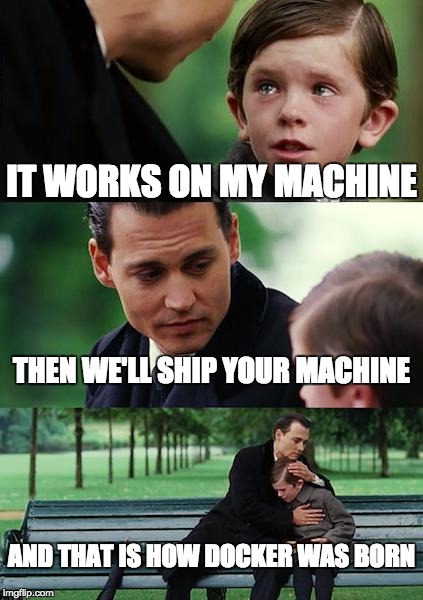
I'm 100% fine with running this and similar tools with docker to avoid polluting my machine with dependencies / un-uninstallable cruft and also to allow the people making such tools to concentrate on the tools and not supporting installation on 30 different platforms. Hell, docker even works on windows these days.
And then you'd need to figure out how to install that new version side-by-side with the existing one, or otherwise you will upgrade and break the existing setup of a lot of people. That is also not always trivial, especially if you have an existing setup like e.g. system python + pyenv managed python. Should the linters then be installed via the system package manager? How would you handle that across many different platforms? And now you multiply all that effort by the number of linters you are packaging, because almost none of them share a common toolchain.
It just opens a whole box of problems, that do nothing to actually further the tool you are building.
The "install as needed" linters of course should live in their own separate universe, not scattered everywhere.
Alternatively you ask people to install linters themselves, and refuse to run if they're outdated. Language X devs likely already have reasonably up-to-date language X linters installed, or know how to install them anyway.
A lot of effort: probably. Many different platforms: there are three platforms that carry any weight. See GitHub Actions runner environments.
Docker on the dev machines is easy for the project, but (1) performance is subpar on macOS and Windows due to virtualization; (2) it also gets outdated; (3) the image is easily gone if you like pruning, then you need to
pull the image all over again. (Thankfully the image isn't huge, ~380MB at the moment.)
Installing Docker is so easy, and it’s significantly easier than installing individual tools when we’re talking about shared tooling and local development. But hey, you do you!
I'm about to uninstall Docker. I have a 128GB Macbook Air and it's taking up 17 gigs after some light use. I'll be using it from CI instead. I like it but it isn't a no-hassle option. It depends on the project whether it's easier. I prefer to avoid it if I can.