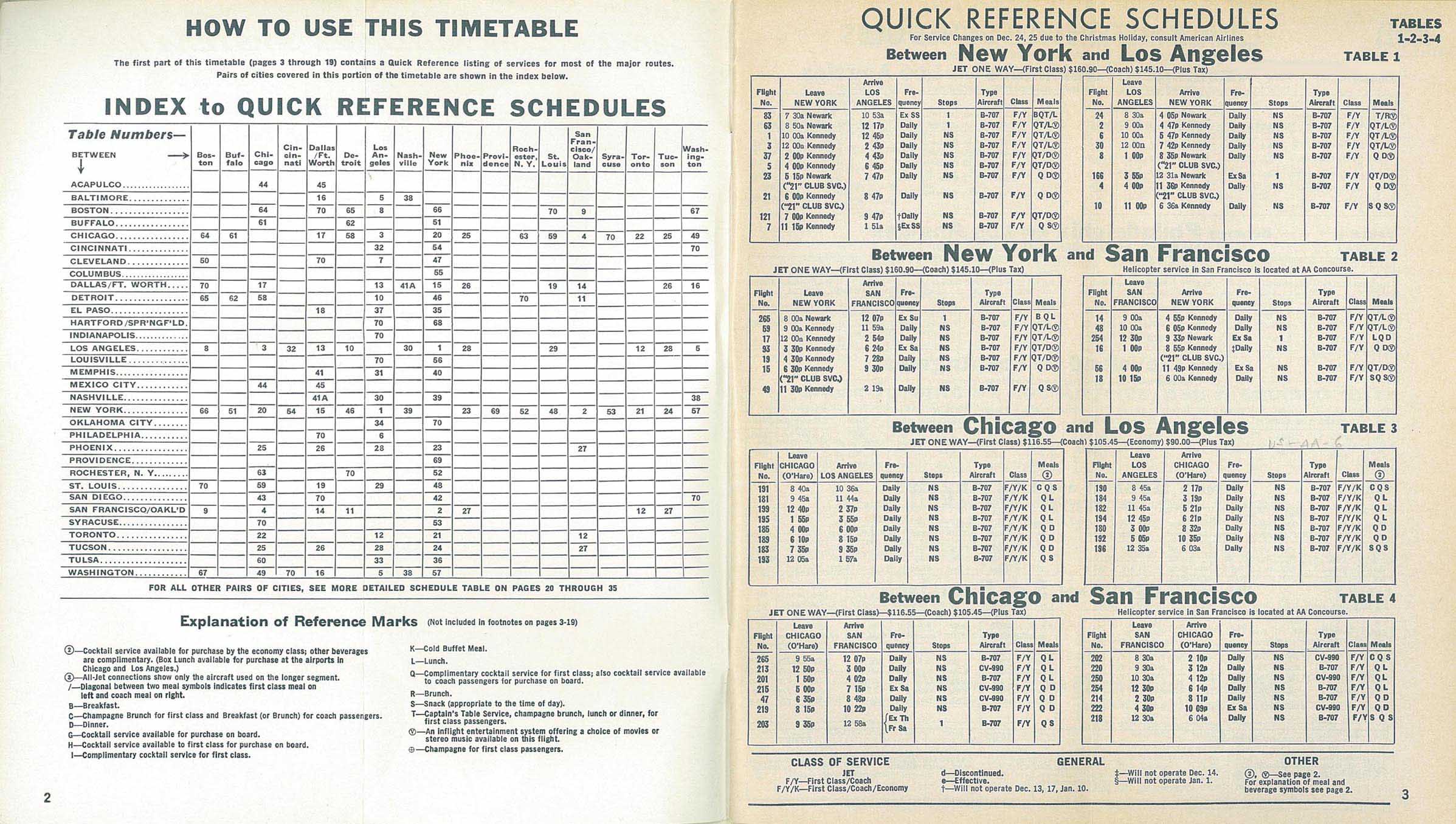
| > Could we not apply your same argument to all goods and services? And if so why have prices consistently risen for all of human history? Um, yes? But for most goods and services, prices have decreased relative to inflation. The only exceptions to this are housing, college education, and healthcare — but those are policy problems. The price of most goods and services have not only decreased relative to inflation, they have also increased in quality. White bread, cost per pound (inflation adjusted)[1]: 1977: $0.405 2019: $1.333 Incr: 229.1% Median personal income (inflation adjusted), age 25-34[2]: 1977: $9,336 2017: $35,455 Incr: 279.8% So rather than being 6x as expensive(!), bread is now ~15% cheaper relative to income. Let’s do another one. Roundtrip flight on American Airlines Flight #1 (NY to LA) 1969 Cost: $304.50 (including tax)[3] Avg wage: $3.31/hour Hours to buy: 92 2020 Flight: $500-600 Avg wage: $23.87/hour Hours to buy: 21-25 (!) Another one: In 1997, it took 1,768 hours of work at the median wage to purchase a Dodge Caravan. In 2018, it took just 1,396 hours of work, and the quality of the Dodge Caravan has also increased in that time! [1] https://www.ers.usda.gov/webdocs/publications/41035/15334_ae... [2] https://data.bls.gov/timeseries/APU0000702111 [3] https://www.timetableimages.com/ttimages/aa/aa67/aa67-02.jpg |
> In 1997, it took 1,768 hours of work at the median wage to purchase a Dodge Caravan. In 2018, it took just 1,396 hours of work, and the quality of the Dodge Caravan has also increased in that time!
Interesting!