|
|
|
|
|
|
by buboard
2430 days ago
|
|
|
There are 100 ways to steal credentials if you manage to convince the user that it’s safe to start typing in the page, since you can serve malicious js that way. I really don’t understand why the browser would masquerade the url just because the content is signed. At best it is able to say ‘the content is signed with x’s key’ |
|
|
That's true, but it's completely independent of SXG. There's no way to trick SXG into showing a URL that it's not signed for. You would have to steal the private keys.
> At best it is able to say ‘the content is signed with x’s key’
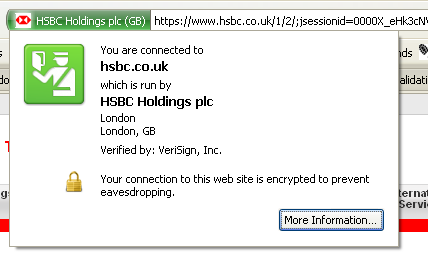
Remember that x's key is cryptographically associated with their domain - that's how web certs work - so the browser can also say that "this content is signed with domain x's key". That's exactly what happens with https today, but with https, the chain of attribution implied by the signature stops at the webserver, since it holds the private keys for signing the content.
SXG allows the chain of attribution to be completely independent of the transport mechanism, https or otherwise. Of course, you should still use https to encrypt during data transmission over the internet, but that's orthogonal to content signing.
This is also directly analogous to how app stores distribute cryptographically signed apps. For example, it allows an iPhone to open a local native iOS app in response to a URL click in web content [1]: The app and the URL are both cryptographically signed by the same entity, so iOS can conclude that they are from the same origin, and allow the app to handle the URL.
1. https://developer.apple.com/library/archive/documentation/Us...