Taylor Swift signed a deal with a record label instead of being an independent artist because it seemed (and possibly was) advantageous at the time and now that she is rich and famous and doesn't need the label, she no longer wants to hold up her side of the deal (giving the label certain rights to her earlier music for a certain period of time) and so now she is playing victim to get her fans to pressure the label into giving her more generous rights to the music she signed to them.
Basically when you sign with a record label you give them certain rights with respect to creative control, music ownership and licensing in exchange for them investing in helping you produce and market your music to a wide audience, network in the industry, tour, etc. In short, they help you make it big and take on early costs and risks and in exchange you make them rich if you do become extremely successful.
It should be noted that music label contracts are notoriously one-sided, and artists often make their labels millions without seeing a dime themselves.
Do record labels make crazy profit for the capital costs? Or are they one of those businesses where for every Taylor Swift getting screwed by not getting a fair percentage of the value of her earnings, are there 50 other artists who got a good size advance and never made any money?
I honestly don't know. I just think we have a tendency to only think about the successful artists when we evaluate the fairness of a contract.
Hallelujah. I'm honestly kind of dismayed at how many people are saying "tough shit Taylor Swift", when I hear people bitch on this site all the time about the unfairness of things like non-competes, lopsided preference rights, etc. that end up in the contracts of engineers and the startup founders.
While I don't know if it's the same people bitching about these contract provision who are also saying Taylor Swift should cry me a river, the overall tone strikes me as completely hypocritical. Just search for any post on this site about non-competes and tell me how many upvoted comments you see saying "Tough shit, why did you sign the contract then?"
I was surprised to learn recently (my son is just beginning his career in the music industry) that a lot of artists out there don't own the legal rights to their own music once they sign with a label.
It is I guess similar to the case where you might get hired as a programmer for XYZ Corp, and while there you use their resources and facilities to create an Uber or AirBnB app which goes on to make billions for the company. If you leave the company, the IP stays with them and they can continue to make money off it and not give a dime to you.
However, the corollary to this is that in the music industry, the IP is really not worth anything without the artist themselves performing the music, in most cases. I get that in this case, the owners of the IP want to still make royalties and money from the actual performance of the music, but I don't understand why they would restrict the artist (Ms. Swift) from performing or recording her music in the interim?? They would still get some APRA royalties from the performance.
NB: IIRC, Paul McCartney does not own the rights to the Beatles music catalog nowadays. It more recently belonged to Michael Jackson, and now to whoever bought it from his estate. But in this case, there is no 'don't perform' clauses in place, so Paul can still sing those old Beatles hits in public, and the owner of the catalog gets a split of the royalties.
Of course you were surprised - the music industry doesn't like to advertise what a bunch of snakes they are, and media consolidation helps, so that what used to be common knowledge/stereotype, is now obscure.
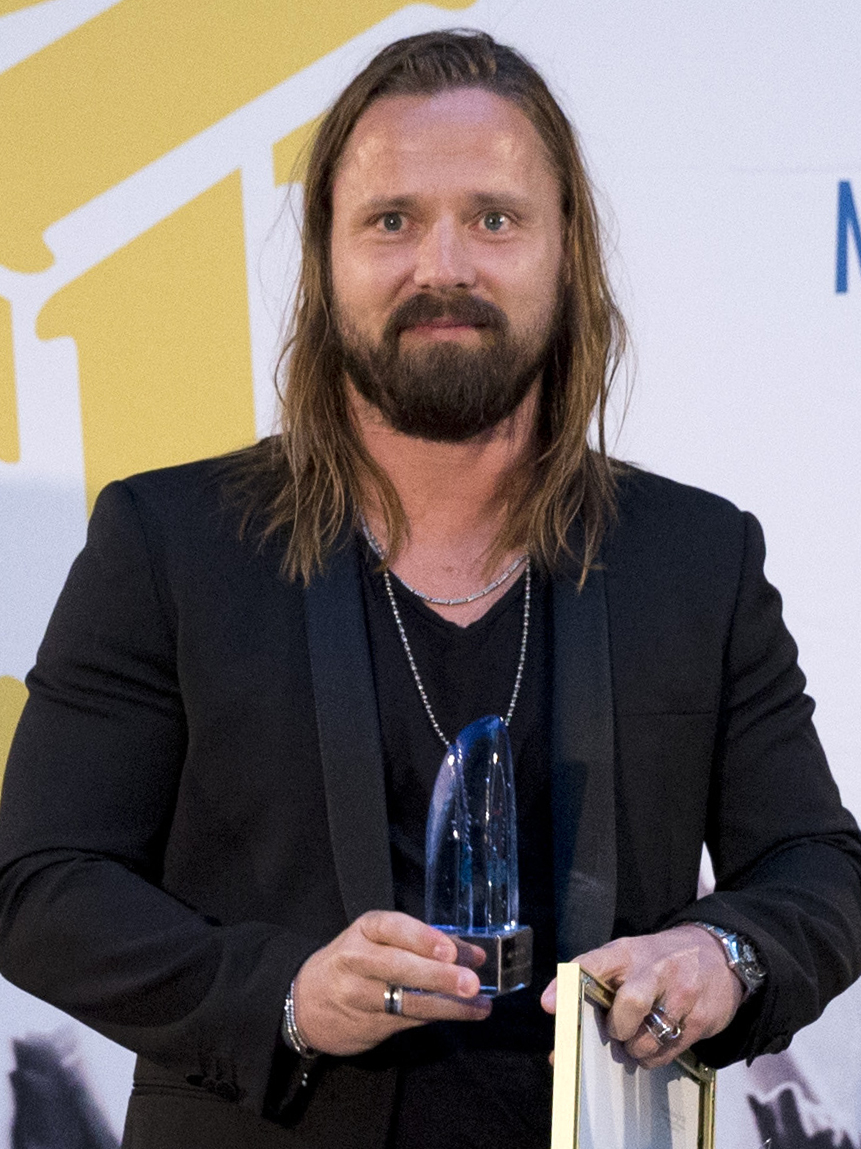
They want to hide that, but they also want to build up the mythos of the artist because it helps them sell more records. Apparently Tay Tay is more marketable than this dude: https://upload.wikimedia.org/wikipedia/commons/3/31/Max_Mart... (arguably the best songwriter since Lennon/McCartney)
> I only have a vague idea of how the music industry works
It's like startups. Someone pays some 20-somethings to work themselves to death on their passion project. Most fail fast, some are notable, and a few are runaway successes.
Basically when you sign with a record label you give them certain rights with respect to creative control, music ownership and licensing in exchange for them investing in helping you produce and market your music to a wide audience, network in the industry, tour, etc. In short, they help you make it big and take on early costs and risks and in exchange you make them rich if you do become extremely successful.