|
|
|
|
|
|
by ChuckMcM
2617 days ago
|
|
|
And for those who disbelieve the 'it isn't reliable' story, I've got some worthless evaluation boards you can have where the mini-USB plug will no longer reliably hold on to a USB cable. Not a data set I realize, but I was glad when people switched to micro which has proven more reliable for me. Of course lightning was better still but alas Apple wasn't going to share that with the world so we have USB C. |
|
|


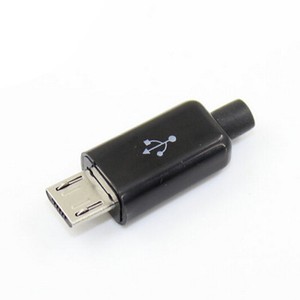
Apple was a major contributor to the Type C design, and learning from the limitations of lighting were reflected in its design.
Like you I really like the small profile of lightning, but the design of the Type C connector does have two important advantages thanks to its shell/shroud design:
1 - The "springy" piece that deforms is the cable not the receptacle. That means when the connection becomes flimsy this is more likely to be the replaceable cables (though some of the cables can be pricy, it's likely still cheaper than replacing the device)
2 - the shroud is ground and is longer than the pins, thus you have a ground connection before you get to any signal or power (like the longer ground pin in UK and Schuko connectors. This doesn't matter much for a USB2 cable but is a safety issue when you have 100W on the cable.
And back to Apple: much as lightning is good for them, it isn't really an instrument of MFI enforcement; they can enforce that just as well with type C. They already have type C iPads so I expect they'll gradually abandon lightning. The iPod 30-pin connector lasted about 9 years and lightning is 7 years old so this isn't unreasonable. And I believe it would make the EU happy.