|
|
|
|
|
|
by siemprenocasa
2651 days ago
|
|
|
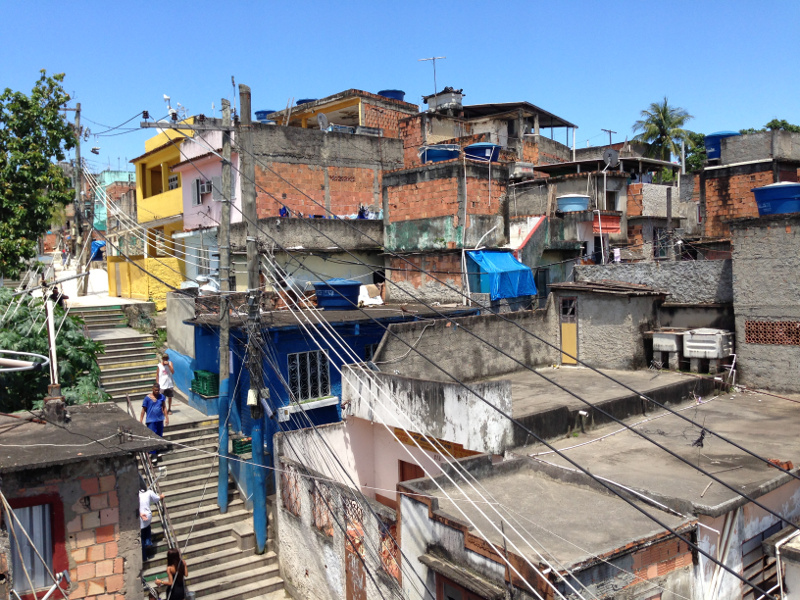
> "... I've observed is that even the poorest people are still living in some sort of structure that is capable of providing a limited amount of protection from the elements, a small bit of privacy, and a place to come back to at night. Even in villages, these small homes have electricity and satellite TV. They're often built with low cost materials like bricks and tin roofs, but they allow people who can't afford a brick-and-mortor home the opportunity to have some stability in life." The description above is more similar to "favela" type housing in developing countries: http://catcomm.org/wp-content/uploads/2013/11/Provid%C3%AAnc... The closest American analog would be like a Great Depression shantytown: https://imgs.6sqft.com/wp-content/uploads/2015/11/20042951/h... The missing middle housing, per their website, is more formal (regulated) housing with condos/duplexes/etcs, whereas OP's 'third-world' informal housing is more like "let someone build themselves something better than a tent to live in". For example, like the dense favela district next to Rio in Brasil. Above all, no city in the US would be ok with having random individuals build a favela district of unregulated/unauthorized housing. Encampments of a couple hundred people create lots of uproar; there would be a total shitstorm of lawsuits and political panic if people in the US cities lived next to "shantytowns" like those in developing countries. |
|
|