Actually, the author's use of the colon is correct, and your interpretation doesn't accord with the usual rules of grammar for colon usage.
What I assume you're thinking of is the journalistic use of a colon as shorthand for attribution, normally used in headlines. In that case, the colon and person/organization fall at the end of the sentence. So you'll see things like, "We'll never pass upcoming bill: Rep Smith".
But that's not what the author of the blog post wrote. Instead, he placed "Google" at the beginning of the sentence, writing "Google: Please Stop...". As such, he used the colon in accordance with one of its most common usages--as a means of address in correspondence, similar to common letter opening "Dear Mr. Smith: Please find enclosed...".
Actually, putting the attribution at the beginning is how transcripts are usually done. You can see it in articles that are mainly the transcript of an interview[1], or even in court transcripts[2].
> similar to common letter opening "Dear Mr. Smith: Please find enclosed...".
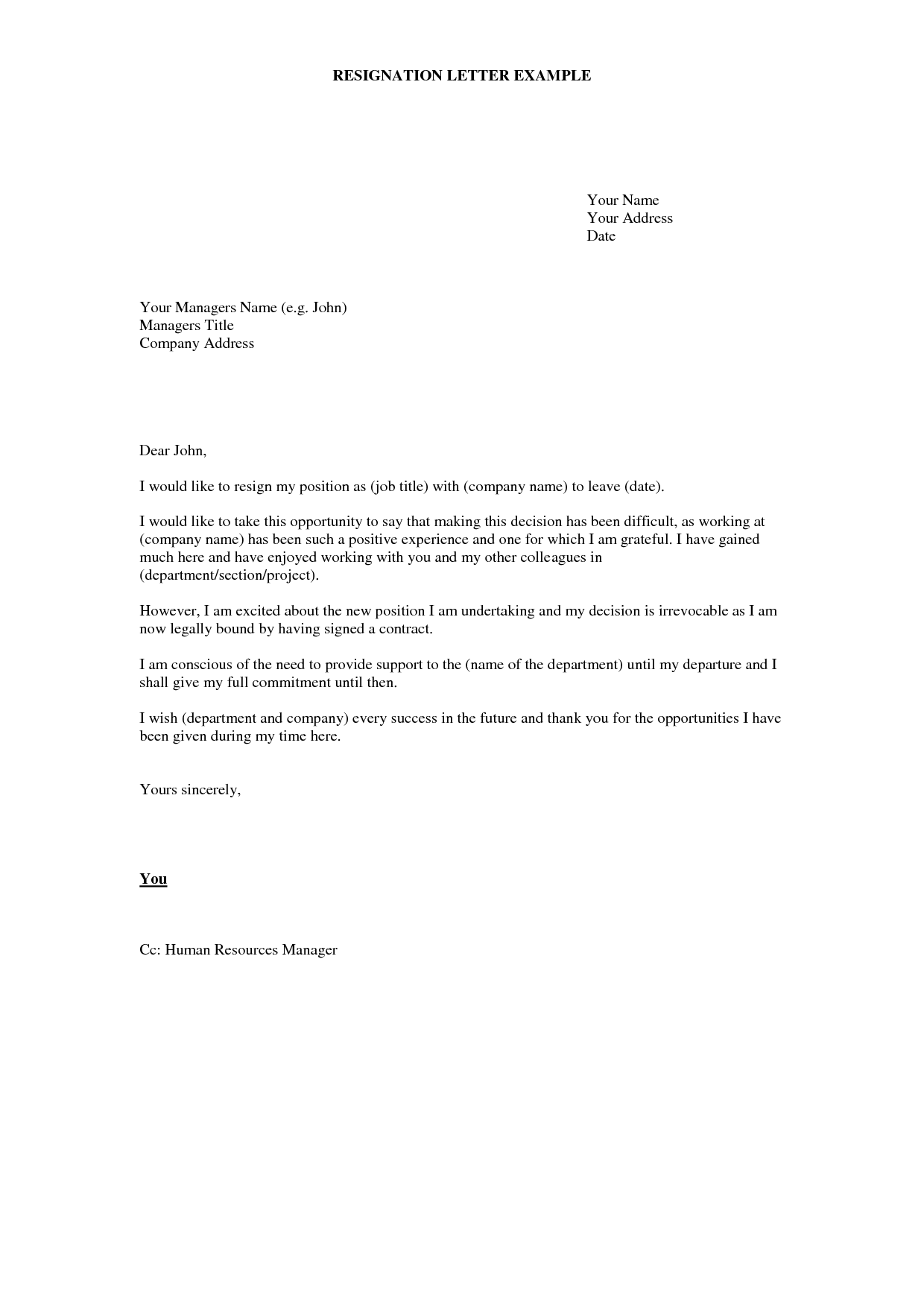
It's been some time since I've written a letter, but I remember that the typical format uses a comma and not a colon. For example:
Yes, but this is clearly a headline, not a transcript.
And using a colon in a salutation is recommended for business usage according to most style manuals. Traditionally, style manuals discourage letter writers from using a comma unless they are friendly with the recipient.
Also, the pronoun "me" is generally used to refer to a person, not a corporation. So there doesn't seem to be any ambiguity about the meaning of the title.
What I assume you're thinking of is the journalistic use of a colon as shorthand for attribution, normally used in headlines. In that case, the colon and person/organization fall at the end of the sentence. So you'll see things like, "We'll never pass upcoming bill: Rep Smith".
But that's not what the author of the blog post wrote. Instead, he placed "Google" at the beginning of the sentence, writing "Google: Please Stop...". As such, he used the colon in accordance with one of its most common usages--as a means of address in correspondence, similar to common letter opening "Dear Mr. Smith: Please find enclosed...".