I believe you, and honestly with the latest improvements with Quantum I can see why.
I _am_ curious about the motivation behind Firefox Focus though. I use vanilla Firefox on Android and really enjoy it.. what was the motivation for using a Webkit base for Focus? Seems like the stripped down, privacy focused experience would have worked fine based on Firefox proper?
Firefox Focus first launched on iOS, where Apple's WebKit is the only web engine permitted. Focus on Android followed a similar approach using Android's WebView so the Focus team could focus ;) on the app's user experience and privacy features instead of the web engine.
However, Focus (on Android) is now moving to "GeckoView", Firefox for Android's Gecko engine repackaged into a WebView-like component. GeckoView will be available for app developers (Mozilla or others) to build new browsers. Watch Mozilla's Hacks blog for news coming soon! :)
Here are instructions for test driving Focus+GeckoView now:
> I _am_ curious about the motivation behind Firefox Focus though. I use vanilla Firefox on Android and really enjoy it.. what was the motivation for using a Webkit base for Focus? Seems like the stripped down, privacy focused experience would have worked fine based on Firefox proper?
I'm pretty sure the answer is quite simple, which is that the Gecko embedding story has been diabolical for a long time (i.e., it's hard to put Gecko in a new product), whereas the majority of WebKit ports and Chromium (through its Embedding Framework, or to a somewhat lesser extent its Content API) are designed to be easily embedded in new applications.
AIUI, the fact this led to this ridiculous situation is part of the reason for the renewed interest in embedding Gecko (and the emergence of GeckoView).
Firefox Focus developer here. Recent improvements in Geckoview (the componentized version of Gecko) mean that it will be much easier to integrate into your own browser projects. We have a whole suite of Android components being developed just for building browser-like software.
The work to make GeckoView offer a full set of functionality in Focus should also help other apps.
Also, don't forget that when Focus was released, Firefox on Android was very very slow. Despite myself being a fan of Firefox, I was using Chrome on Android for purely practical reasons. When Focus appeared, I switched to it, and then at some point to Firefox proper when it's performance became acceptable again.
I guess for many users Focus (despite not using Gecko) could've paved road to Firefox.
It dates from back when Mozilla seemed to be losing quickly, and actually rebranding Chrome (with their own changes) might have made sense. I'm glad they didn't, of course.
I have no reason believe he, or anybody else at Mozilla, currently thinks that way.
Gecko these days is pretty good, but that's only half of the story unfortunately. This is a web runtime with no successful product to power anymore. Firefox Desktop is still declining despite the Quantum work, and on Mobile Mozilla products are not registering on any chart.
Ironically, the only successfully growing Gecko-based product is KaiOS (see http://gs.statcounter.com/browser-market-share/mobile/india) but the current MoCo+MoFo leadership killed the upstream support a while ago to focus on Desktop. Maybe they will see the light...
Not the parent, but Firefox Quantum while an advancement in some ways, also killed XUL Extensions and Mozilla moved Firefox entirely to WebExtensions without the APIs to fully support existing popular add-ons. NoScript for example is a shell of what it once was, every vim keybinding extension was pretty much cutoff, TabMix Plus discontinued development since many of its popular features weren't possible with the WebExtensions API and there still isn't a great tree-style tab extension.
Most likely the parent used one or more of these, as they were some of the extensions you could point to that Firefox had but Chrome never really did, and without them Firefox arguably doesn't have the same appeal.
There's still plenty of reasons to use Firefox over Chrome, but there are also plenty of users bitter about the loss of their previously working extensions.
> killed XUL Extensions and Mozilla moved Firefox entirely to WebExtensions without the APIs to fully support existing popular add-ons
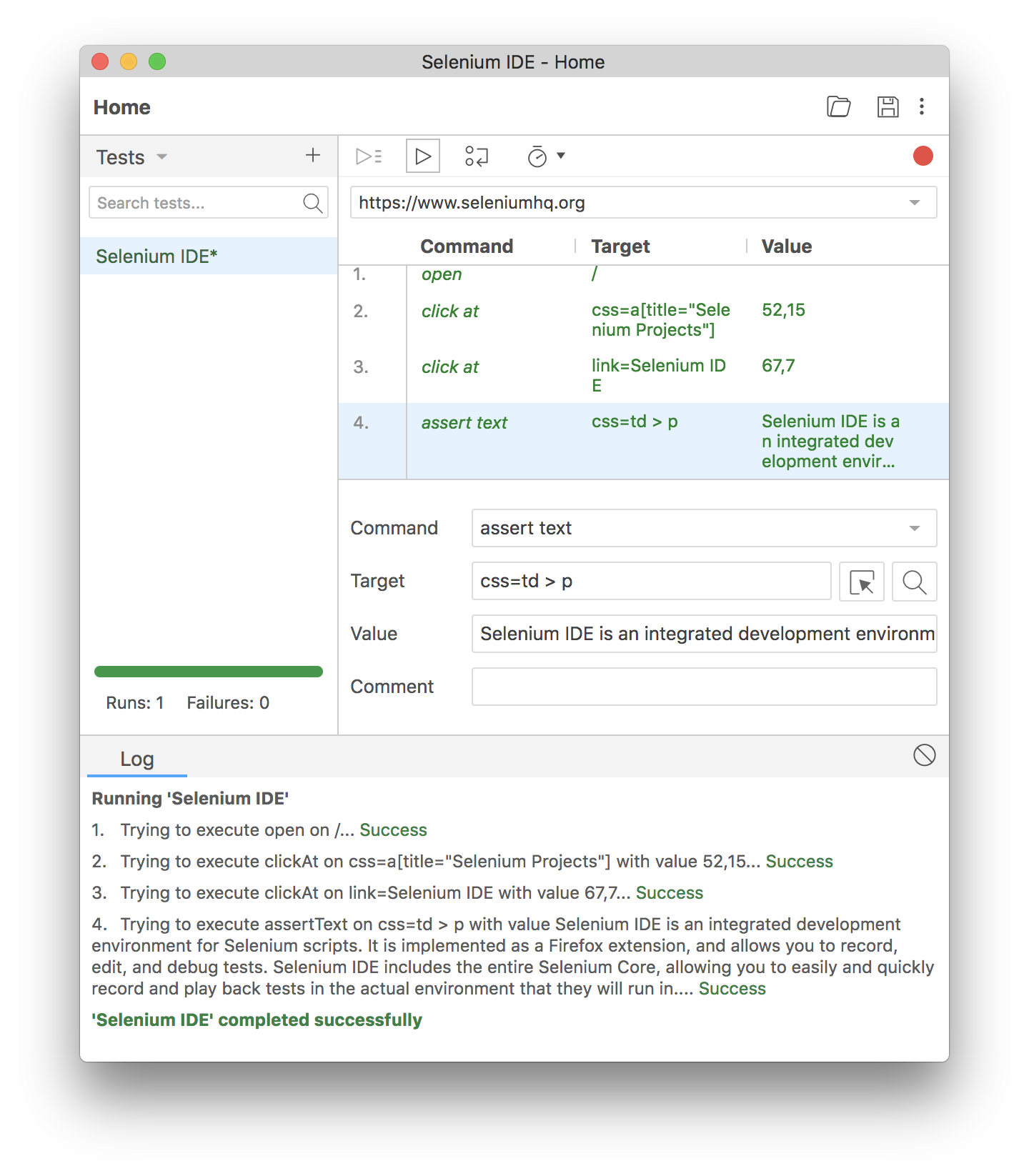
this. I was never a tree view tab convert, but definitely miss noscript and vim bindings, plus things like the selenium UI.
XUL sucked in many ways, I tried writing extensions with it and I have no illusions there. But coming up with a reasonable upgrade strategy for a huge swath of popular extensions was something that should have been done before deprecating it. Rather mozilla basically told people that if webextensions didn't do what they need now, then just hope for the best sometime in the future, and in the meantime too bad, your extensions are gone.
But honestly this wasn't the only thing, just the most recent. It's the general attitude of willingness to ignore the actual use cases of their actual users for some theoretical appeal to a mass market of "average users" that they've yet to convert. I felt much the same way after the Aurelius release broke a bunch of ui, and any number of other breaking changes over the last few years.
This being HN, I'm operating under the assumption that most readers are developers.
I'd suggest that you read my colleague's comment at https://news.ycombinator.com/item?id=15696184 to understand just how much friction the legacy addon ecosystem was creating. It just wasn't sustainable.
You won't find me arguing against Mozilla's decision to drop XUL extensions, I'm just stating a fact, that it was one of the primary differentiating factors between Firefox and its competition, for better because of the varied high quality extensions that you simply would not find anywhere else and obviously for worse.
Mozilla was also committed to a good browser experience that looked and felt like something that was not Chrome or Safari. Then Australis happened. And Mozilla was committed to XUL. Then WebExtensions happened. Mozilla is committed to Gecko today. Tomorrow, Blink/Chromium will happen.
I'd suggest that you read my colleague's comment at https://news.ycombinator.com/item?id=15696184 to understand just how much friction the legacy addon ecosystem was creating. It just wasn't sustainable.
As a user of some of those "legacy" addons, I sincerely don't care about the upstream friction. I care that Mozilla has tried to cut my user experience off at the ankles more than once. The burden of having a thriving community & ecosystem is the responsibility of stewardship over that ecosystem. Mozilla has abrogated that implicit stewardship responsibility toward their community.
I _am_ curious about the motivation behind Firefox Focus though. I use vanilla Firefox on Android and really enjoy it.. what was the motivation for using a Webkit base for Focus? Seems like the stripped down, privacy focused experience would have worked fine based on Firefox proper?