|
|
|
|
|
|
by QasimK
2856 days ago
|
|
|
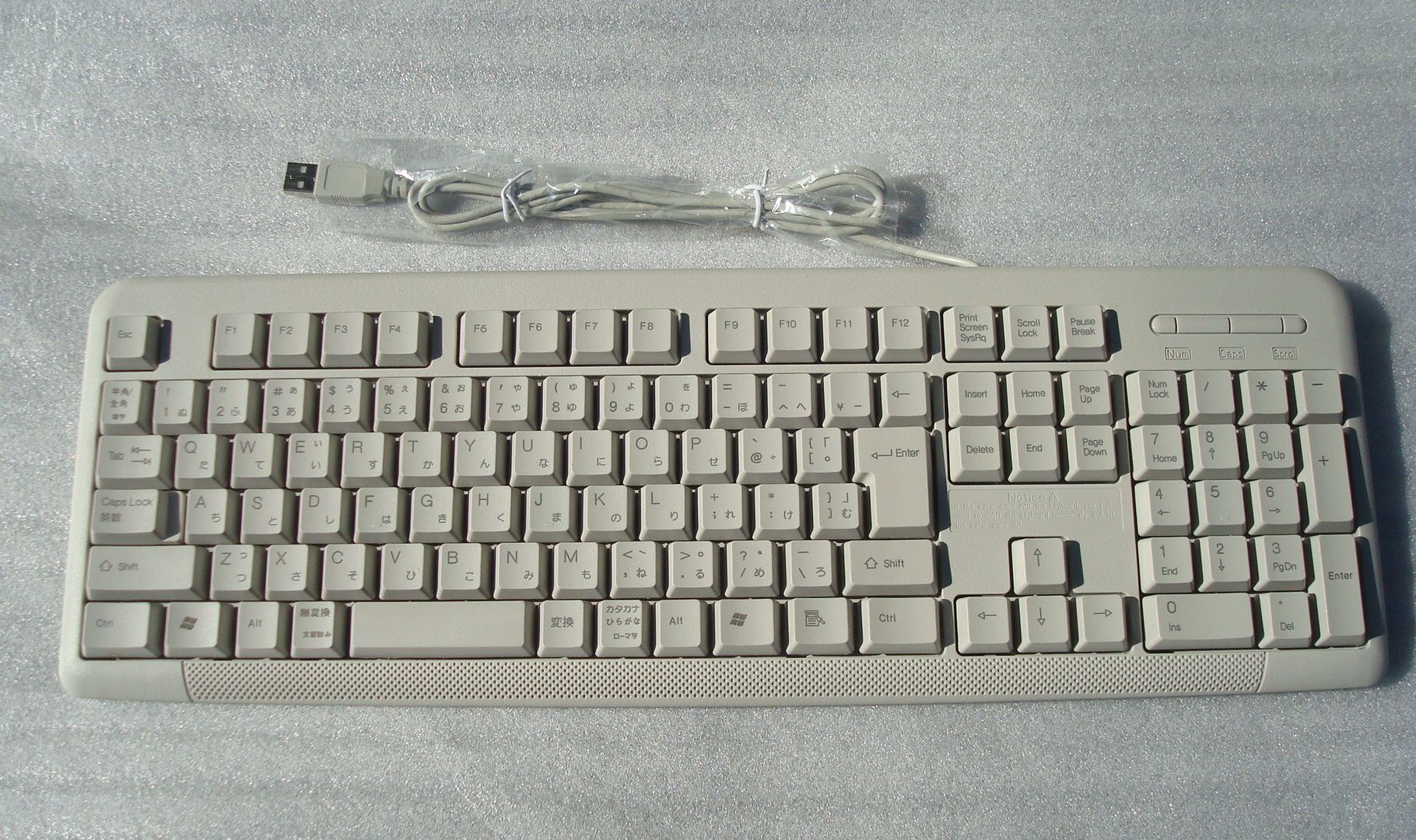
A keyboard layout for programmers, which allowed the use of special characters on the home row, perhaps by using a mixed corpus of source code rather than just novels, would be interesting to see. Recently, I ordered the Ultimate Hacker’s Keyboard because I think typing is quite important for a programmer, especially if you consider health as the author of this article does. I’m a little bit weary of not using QWERTY because of the high cost of switching, so if I did switch, I’d want to select a layout that was basically perfect for me long-term (which sounds very tough to do). |
|
|

Unless you're programming in something very symbol-heavy, even by programming language standards, I suspect you'll find that it's hard for any symbol (other than space) to break into the top-10 non-space symbols; not impossible, but hard. I just did a 200KB perl file here, and the top 12 symbols are space, e, a, r, s, i, t, o, n, newline, l, and d. The first symbol, underscore, shows up in position 13, then it's u, then finally, $. Underscore is less than half as popular as the e. As you may guess, the naming convention of this code is mostly underscore_based. If this code was camelcase instead, you'd have to go down to position 14 with $.
The other problem is that languages will significant differ, so you can't really create "a programming layout". If you did nothing but type Perl, that list of symbols may suggest that perhaps $ should be on the u or i key or something valuable like that, but if you run the same process over your C# you're not going to see $ popping up nearly as high and now you've got a huge wasted key. Parentheses are in the 22nd and 23rd slot on this count, the only thing that I would be comfortable saying is really generic. (And then there's still Haskell, where they are used, but much, much less often.)