|
|
|
|
|
|
by gjem97
3066 days ago
|
|
|
I for one would love to see something like this happen, but I think ultimately this will always be limited to niche applications. A developer recently built a 20 story apartment building next to my office window using entirely a reinforced concrete frame. I was incensed to find out that because of "concrete cancer" [1], the lifespan of that building may be less than 70 years. But the more I thought about it, the more I began to believe that maybe the additional lifespan is not an asset. The building is attractive today, but might not (probably won't) appeal to people 40 years from now. Furthermore, buyers are going to want different things from their homes (look at the popularity of open kitchens 40 years ago vs now). And I began to realize that it would be
quite difficult to design and build a building that would be useful beyond 70 years from now. Another way to look at it is that the marginal value of 10 years of longevity is not that large out 80-90 years. I think you'd have a difficult time finding a developer who would pay 10% extra to get a building that lasts 100 years instead of 90. This line of reasoning leads to an icky "planned obsolescence" approach, but I think these are the economic realities. [1] http://www.remedial.com.au/structural-repairs/concrete-cance... |
|
|
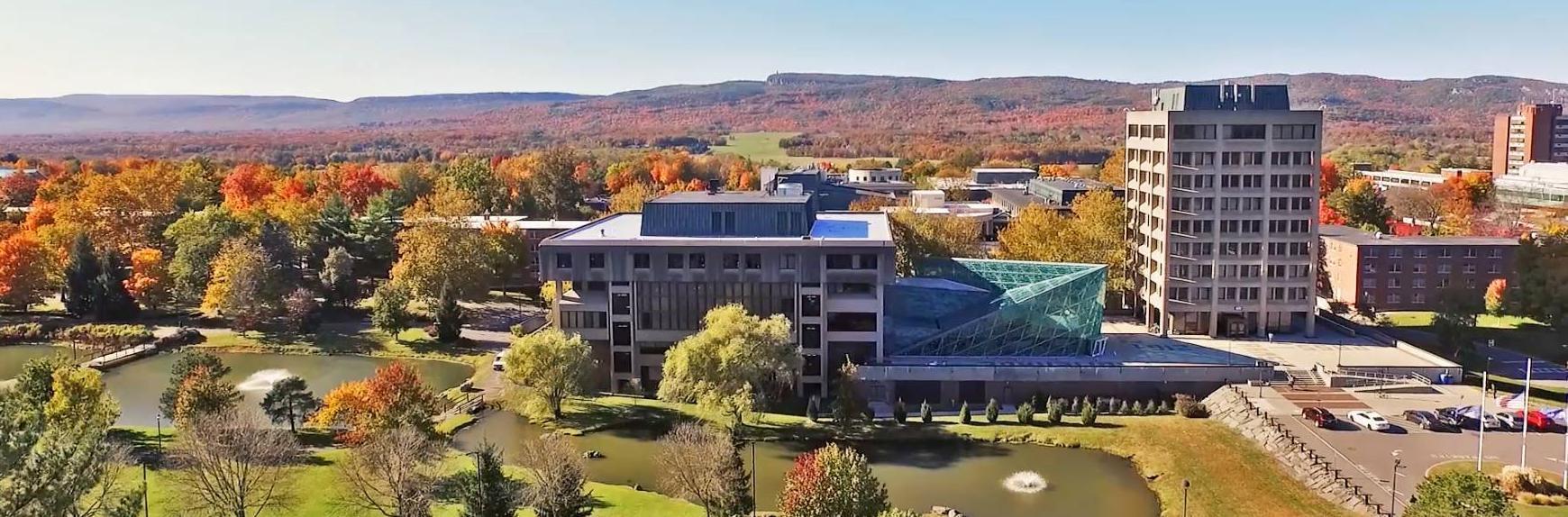
LEED certification includes a credit called "good bones" which recognizes that although exterior trends change, the concrete bulk of a building can be reused if kept in good condition. A new facade can completely rejuvinate an otherwise dated structure. Most concrete building construction focuses on creating large open floors with columns to provide the largest flexibility in floor plan.
An additional interesting trend I've been seeing in Chinese construction is the construction of structures with double the standard height between floors. These buildings can be finished with units with features such as high ceilings and loft spaces that most high-rise units cannot accommodate.