|
|
|
|
|
|
by KingMob
3123 days ago
|
|
|
Not AGSchneiderman, but I'll try my hand at some of these. 2. Because the "gentleman's agreement" behind peering has broken down, and the last-mile telecoms realized they can demand money from both sides. 3. Because any entity the size of the govt has many parts. The NY AG is not working at the FCC, nor do they work at federal antitrust organizations. 4. It certainly would, but the incredible infrastructure investment needed to bring meaningful competition to an area ensures that most companies and investors don't want to commit to such a low ROI. |
|
|
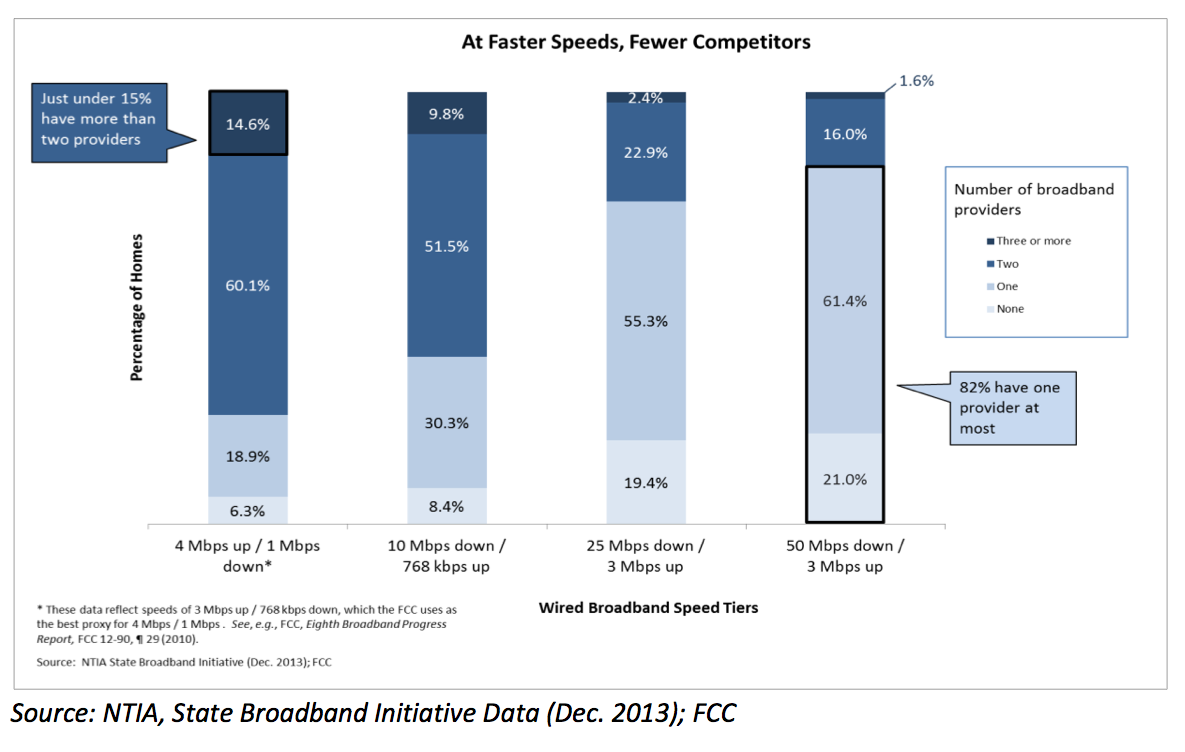
On point 2 - All of these agreements work, sometimes the agreements where more money is at stake take longer to sort out but they do get sorted out. The biggest fact involved is that when the agreements are slow to get sorted out, the parties involve lose customers and revenue.
On point 4 - in areas where competition for the last mile is able to exist, it does in fact exist. If you want to address the last mile there are a lot of other things that can be done aside from hamstringing ISPs.