| The MTA's problems begin and end at a weak senior management unwilling to standup to Cuomo's frivolous micromanagement and a transit union unwilling to modernize. Politicians should be pushing for serious procurement and labor work rule reforms, otherwise the systemic managerial and operational deficiencies will ensure that the deterioration of service we see now will repeat it self in 5 to 10 years, regardless of how much money or technology is poured into the MTA. London and Toronto have been able to modernize much of their transit systems in last 5 years and its not because they have more money. Once you fix the top everything else will fall into place. Look what Andy Byford has been able to do in 4 short years at the TTC. His 5-Year Plan to modernize the TTC focused on transforming corporate culture and updating internal processes, in addition to new equipment. The results of these changes have been overwhelmingly positive with the TTC recently being named best public transit agency in North America and The TR Class of TTC subway cars in May having a MDBF of over 924,000 miles. If your interested in getting involved with transit activism in NYC I highly suggest you follow @2AvSagas on twitter. |


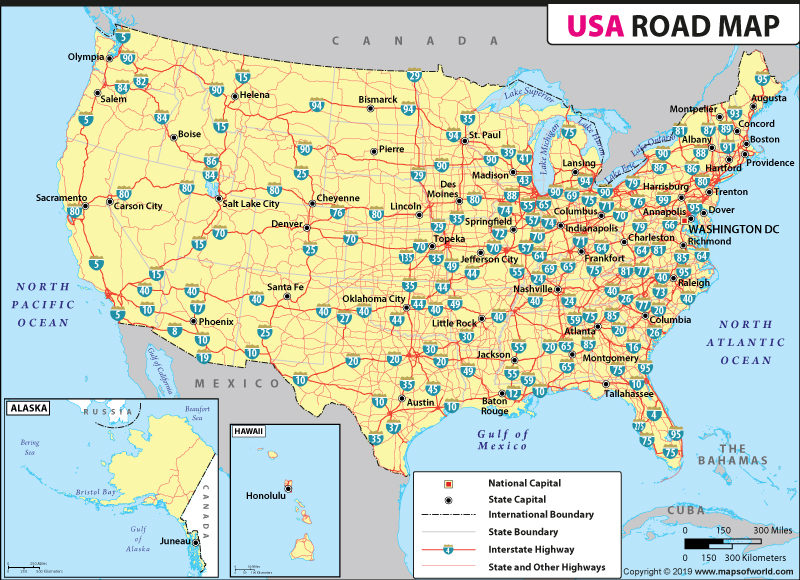


Most airports, most of the interstate highway network, most subway systems, bridges, tunnels, and dams were built from the 1930s and on to the 1970s. The railroads are even older.
And after that; Silence. It's like you didn't even care to maintain it.
First time I arrived in America, I was taken aback by how old and run down everything was. The only places in Europe I had seen worse roads were in Eastern Europe shortly after the fall of the Wall. In the middle of Manhattan some streets were in a state that in Europe you would only witness in the Balkans or in rural areas. The airports and the link from airports to the city were even worse. The subways didn't even have info tables saying when the next train would arrive. At the same time in Europe, many cities were switching to driver-less trains.
Clearly, the US could afford to expand and maintain the infrastructure. And the US is usually on the forefront of technology. So it's about priority, more than ability. Public infrastructure is just not prioritized that much in the US.