|
|
|
|
|
|
by joshvm
3160 days ago
|
|
|
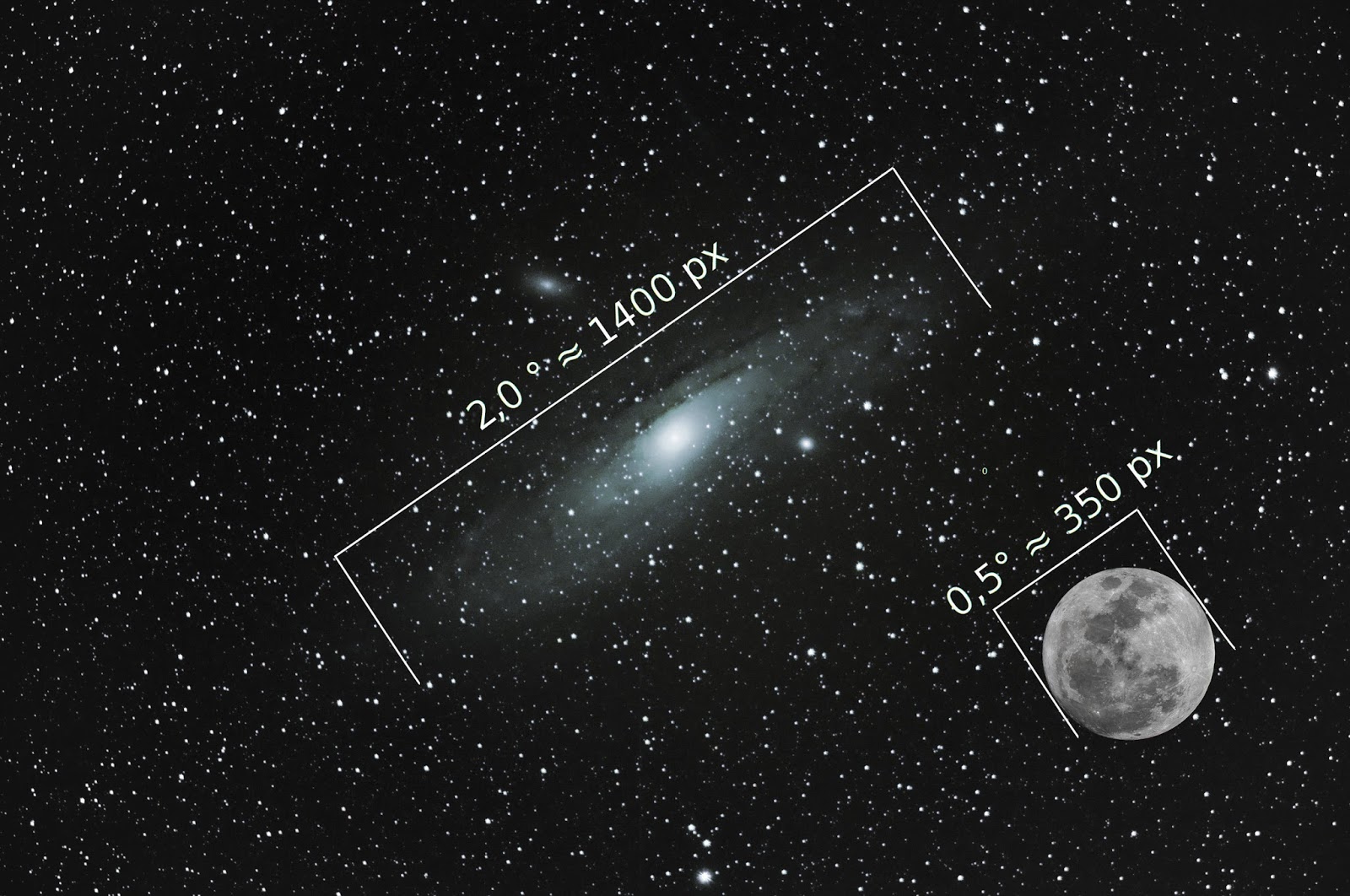
As others have covered, the stars you can see are all in our galaxy. The closest star to us is around 4 light years (the sun is around 8 light minutes). The two obvious extra-galactic objects you can see are (1) Andromeda, which appears as a small smudge but is actually huge: https://3.bp.blogspot.com/-4Z_aNPDvDVU/UtvEsVBCzSI/AAAAAAAAD... and (2) the large magellanic clouds which are a bit more obvious. Andromeda is the nearest big galaxy to us, but the LMC still has its own stars. To answer your last question - yes, this is the concept of apparent magnitude. Stars are so incredibly bright that you can see them despite the fact they're very distant. We can see the planets even though the only light we're getting is from reflection. Look at how bright Jupiter or Saturn are, for example, and then think what a miserable fraction of the Sun's light they actually reflect, and how much of that we receive on Earth. It's a very small percentage - the Sun is just really bright. This is an important point though - you cannot measure the size of most stars directly. We've been able to do it with very large stars, but mostly all you know is (a) That star is this bright and (b) it's this colour. From that astronomers can derive models to figure out how large it is. Even if you know the distance, it's not trivial: is it a really tiny, but stupidly bright object or is it a massive, but really dim object? Beyond a certain distance you have to use models and make educated guesses. |
|
|