If you think things are so bad, surely you can name a single good or service that westerners have less of today than they had in 1970. What is that good or service?
Housing: http://www.jparsons.net/housingbubble/ - compared to the rise in wages, this cost increase has been much more moderate, but it's still an increase.
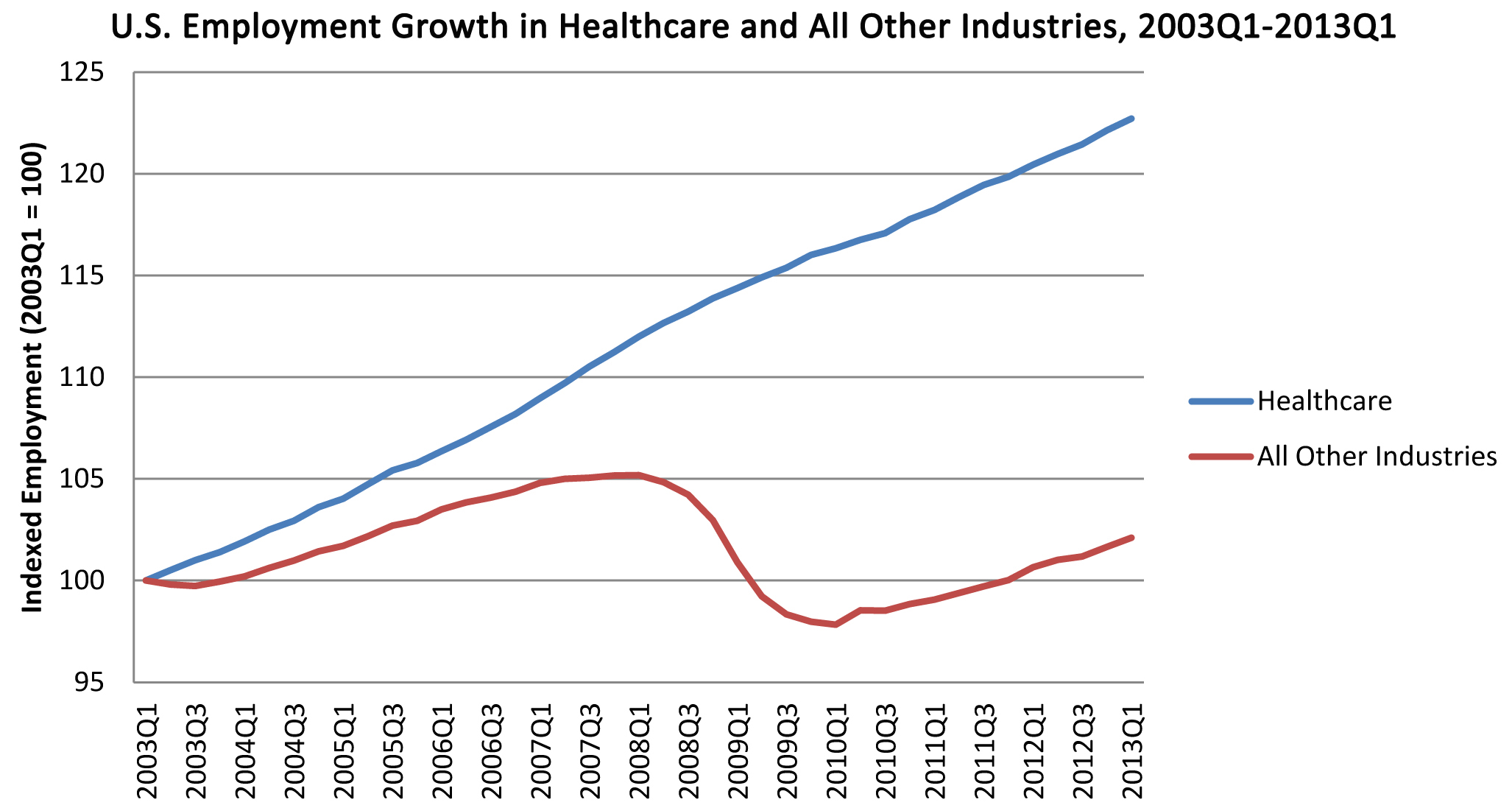
Your second article says health care is more expensive than other countries, not that fewer people consume it than some past period. Looking at real resources (e.g. # of health care employees) suggests more people consume it, not less.
Your third source does not claim fewer people consume housing than at some past point. In fact, people consume more housing than ever before - houses have nearly doubled in size since 1973, even as # of people in the household decreased.
It takes a special kind of logic to look at rising prices, stagnant wages, and conclude that things are better.
Oh, no, wait, you didn't say better/worse, you said 'goods that we have less of'. So even if people bankrupt themselves over a broken leg, or go into decades of debt for a home or education, everything is just peachy! Even better, actually, since we can add credit availability to the list of things we have more of! http://www.businessinsider.com/chart-of-the-day-credit-card-...
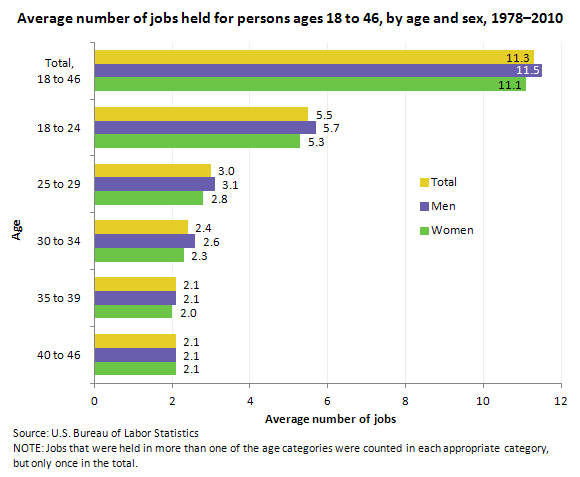
There's also more jobs: https://www.bls.gov/opub/ted/images/2012/ted_20120731a.png ! Gone are the dreary days when you were set for life by your 2nd job - these days you could find yourself looking for a new job any moment - how exciting!
I guess I stand corrected, we have more of everything, and shouldn't complain, even if corporation's obscene wealth allows them to buy politicians and regulatory agencies. Who cares how concentrated power and wealth are, as long as there's enough bread and circuses.
Scroll up. You compared us to Somalia. In Somalia, they don't have all these things.
I'm not sure how you believe it's possible that consumption is up while compensation is stagnant and prices are higher. Could you explain - with numbers - how you propose that standard accounting identities are violated?
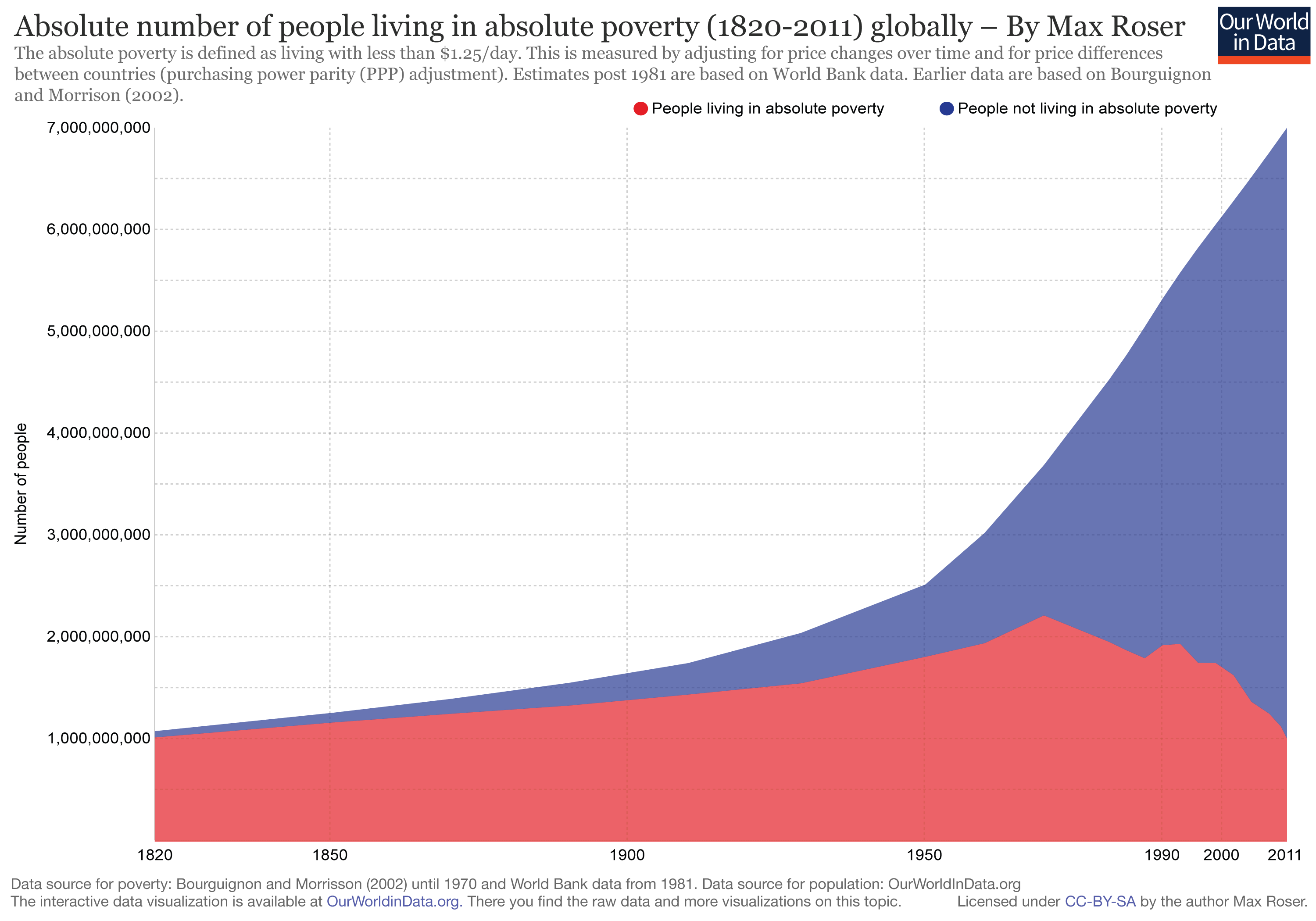
The fact that living conditions improving for people in the 3rd world makes you feel better maybe doesn't do as much for "rich westerners" whose jobs have moved overseas.
I think he means you're taking from one to give to another, which eventually results in the former being as worse off as the latter was, so the sum total of your "humanitarian effort" ultimately amounts to zero. But that's a guess.
Really, the only issue seems to be a loss of status (not goods and services) by some rich white westerners. (Non-white westerners seem to have improved their situation by quite a bit also.)
We haven't just lost status. We've lost leverage and loyalty too. Globalization has made the demand for lower class labor in the US drop to the point where the uneducated cannot do well anymore. In a balanced economy, there's a demand for everyone, yet in our outsourced service economy, only the highly educated do well. The opioid epidemic isn't here because of a loss of status.
> Really, the only issue seems to be a loss of status (not goods and services) by some rich white westerners.
You're saying there have been literally no negative effects from globalization? That unemployment in the rust belt has had no effect on standard of living?

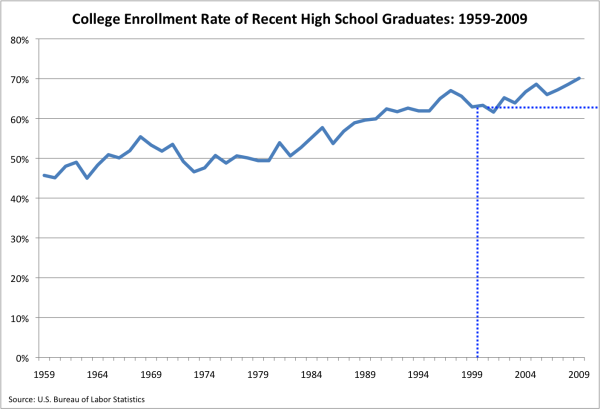



Yeah, until western countries have fallen to the level of the worst parts of Somalia, we really shouldn't complain.