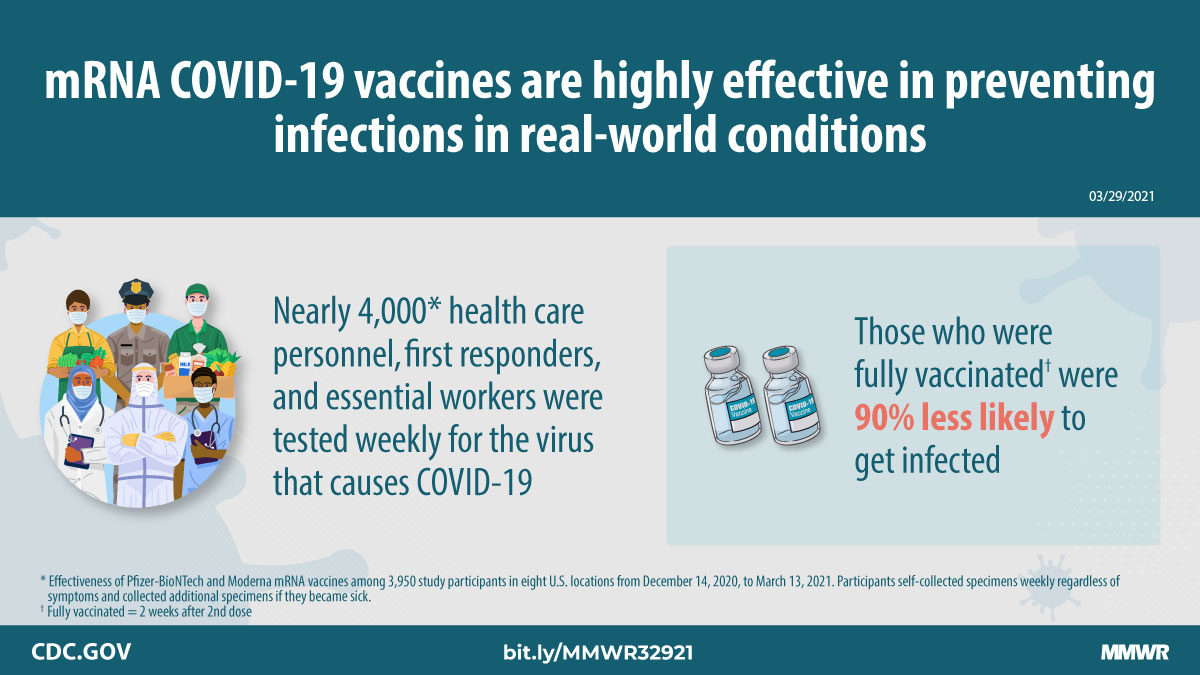
TLDR: low initial funding, lack of facilities in affected locations, progressing from adults to infants for safety reasons although infants are the target, difficulty recruiting volunteers, the large scale and timeline of the studies required, and coronavirus being an easier target for a vaccine.
Personally, and please dont bombard me with hate, i dont believe we have covid vaccines. The shots we received dont really seem to do anything against covid. It's not rare to see certain media figures brag about their shots and then a few weeks later hear reports that they have covid... that being said, because i dont know who received which brand, i cant really say that none of them work.. they have their differences and 1 might have positive effects against covid. Anyway. I'd say we are still a few years away from having a covid "vaccine".
I thought it was repeated till boredom that vaccines will not prevent you from catching the virus, it prepares your body to fight them well when the real threat comes.
>I thought it was repeated till boredom that vaccines will not prevent you from catching the virus, it prepares your body to fight them well when the real threat comes.
The 10% was more in relation to people who are immunocompromised. They absolutely said these vaccines would prevent you from getting infection. They absolutely said the vaccines would provide herd immunity and get us out of lockdowns.
The censored science, including the discoverer/inventor of the mrna vaccine, said no such thing is possible. Instead of a healthy discourse on this, he got banned from everything until joe rogan brought him on.
>In immunogenicity analyses completed during phase I/II vaccine trials, 100% of participants developed both binding and neutralizing antibodies following vaccination with Pfizer-BioNTech and Moderna vaccines, and 90% of participants developed binding and neutralizing antibodies following vaccination with the Janssen vaccine
The problem hit when there was small towns with high vaccination rates had more people sick than unvaccinated people. Literally proving the vaccines don't work. So then and only then did they start saying that the shots dont prevent you from catching covid.
Has anyone counted the moral/ethical violations above? They published lies and censored the truth. They blasted informed consent out of the solar system.
During December 2020–July 2021, COVID-19 vaccine recipients had lower rates of non–COVID-19 mortality than did unvaccinated persons after adjusting for age, sex, race and ethnicity, and study site."
This is misinformation we now know this is a lie. Why do you think the CDC is publishing misinformation? Why do the 'fact checkers' not fact check these lies?
The only current backpedaled 'benefit' from the vaccine is 'it reduces symptoms' which puts it on par with tylenol.
>Anyway. I'd say we are still a few years away from having a covid "vaccine".
The mrna tech failed for decades because it failed.
That said, should we not work toward a viral vaccine that works? Perhaps we could eliminate all these viral ailments. That would be a huge success for humanity.
A vaccine can only be as effective as the immune systems that it primes for any given infective agent. Respiratory RNA viruses very rarely, if ever, result in lifelong sterilising immunity. SARS-CoV-2 is no different.
If going through a disease caused by a certain virus can result in lifelong immunity, so can a vaccine designed against that virus. If going through another disease caused by a different virus leaves the host at risk of eventual (usually milder or even asymptomatic) reinfection, that's the most any vaccine can achieve.
You don’t need to guess this stuff. There’s a lot of data out there showing the impact of covid vaccines at reducing severity of illness and, to a lesser extent, transmission.
The COVID vaccines are definitely effective at reducing hospitalization, ventilation and death. The combination of widespread vaccination, esp of the elderly, and natural immunity of survivors is why the pandemic has been declared over in most places and the disease is now considered endemic.
While the vaccine showed sterilizing (prevents infection) immunity for its target strain, the subsequent strains are generally more effective at causing infection but the vaccine still had a lot of efficacy at preventing severe disease and reducing duration of symptoms.
This is more effective than influenza vaccine which is also primarily aimed at reducing morbidity and mortality.
That isn't a study, and doesn't claim to be one. It is a case report, as stated right in the title. Case reports have "n=1" by definition.
As for being able to "safely disregard" it... an insufficient number of data points doesn't mean that at all. It means you can't draw conclusions one way or another.
Let's put it this way: your team has a new chemical that's supposed to do (amazing thing). You decide to test it on yourselves. The first guy takes it and dies instantly.
Do you then say "Hey, 'n=1', so I can 'safely disregard' the fact that Dave just keeled over." and take it yourself?
I think not.
To be clear here, I think the COVID-19 vaccines deployed in the United States are both safe and effective -- but the solution to bad statistical reasoning is not even worse statistical reasoning.
A scientist working on this topic should obviously not disregard anything like that. They should know how to interpret and filter such events.
I was speaking as and for random people on a technology internet forum where "$person got a vaccine on date ABC. $person got diagnosed with diabetes on data XYZ." has absolutely no merit discussing as causation or mental trigger that there might very well be "serious side effects" as stated by OP. I am sure many people died within minutes of receiving their shot because of simple statistics.
Also you went to paint a extreme example without any need. Please don't do that. No one died instantly, that's a huge over-exaggeration of what the linked paper is about. If you want to speak with analogies, maybe "1 person who bought this item also bought that item" versus "people who bought this item also bought that item" might be more suitable.
You made it sound like it was anything meaningful.
There is a lot of research into side effects by big and respected institutions, funded by governments. It is a very popular research theme with lots of potential reward for solid studies.
The premise here seems wrong. SARS-2 vaccine development rides on the development of SARS vaccines. That's already almost two decades. Probably boosted halfway by research to manage the even more concerning MERS.
And that's not even the start of it. Those R&D efforts ride on about a century of basically successful vaccination against viral diseases.
Sure, there are plenty of species that are too slippery for now, and coronaviruses do their due diligence in attempts to escape the immune system, but to my understanding it's not a comparison on the same scale to ask for overcoming the immune evasion arsenal of a eucaryotic parasite with a complex multistage lifecycle, and Plasmodium is arguably in the big league within that category.